
Best QR menu platforms in Egypt compared
Global QR generators, menu builders, POS-led systems and MENA-built platforms solve different problems. A scorecard for Egyptian owners to shortlist the right one.
Menyo Team
June 3, 2026
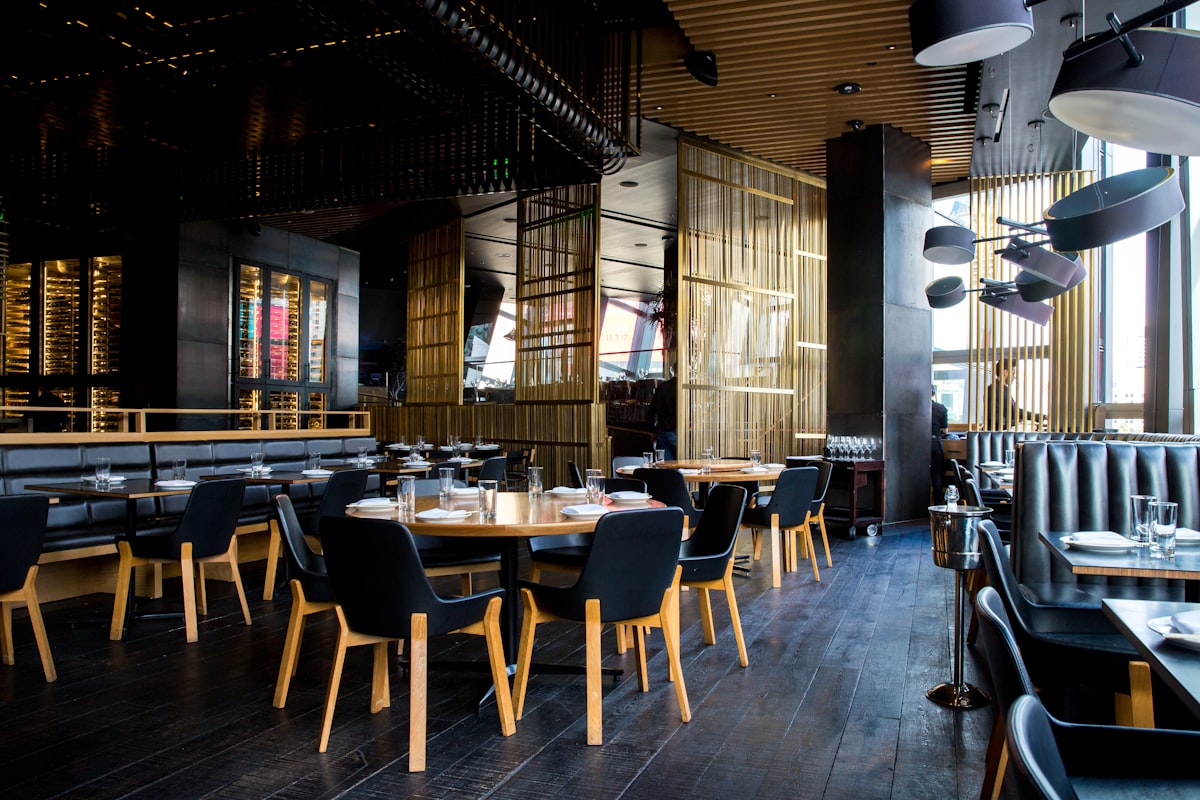
Search for "QR menu" from Cairo and you get a mix of free code generators, American menu builders, Gulf POS companies, delivery apps and a handful of platforms built for the region. Ranking them against each other directly is misleading, because they are not trying to do the same job.
This guide sorts the options into five categories, shows what each category is good and bad at for an Egyptian restaurant, and gives you a weighted scorecard to fill in during trials. It will not tell you a single winner, because a juice bar in Dokki and a 120-seat restaurant in New Cairo should not buy the same thing. We make one of the products (Menyo), and we have tried to score the categories the way an independent consultant would.
1The five categories you will run into
| Category | What you get | Good for | Watch out for |
|---|---|---|---|
| Free QR code generators | A code that opens a PDF or image of your menu | A one-off event, a stopgap for a week | Codes that stop working when a trial ends, PDFs that are unreadable on a phone, no updates without reprinting |
| Global menu builders | A mobile menu page, sometimes simple ordering | Cafés and takeaways that need a clean menu cheaply | Arabic layout quality, support hours, billing in foreign currency |
| POS-led systems | A till first, with a digital menu or ordering module added | Restaurants that mainly need a cashier and inventory system | Hardware costs, contract terms, whether the guest menu is an afterthought |
| Delivery apps and discovery platforms | A listing on Talabat, elmenus and similar | Reaching new customers | Commission on every order, and the customer belongs to the app, not you |
| MENA-built QR menu and ordering platforms | Menu, table ordering and operations designed around Arabic, WhatsApp and local service habits | Dine-in restaurants, cafés and bars in the region | Younger companies: check support, stability and data export |
Most restaurants end up combining two categories: a delivery app for reach, and a QR menu or POS for their own guests. The shortlist question is which tool runs your own guests.
2A weighted scorecard for Egyptian restaurants
Give each criterion a score from 1 to 5 during your trial, multiply by the weight, and add up. The weights below are a starting point for a typical dine-in restaurant; change them to match your venue before you start, not after you have a favourite.
| Criterion | Suggested weight | How to score it |
|---|---|---|
| Arabic and right-to-left quality | 3 | Real Arabic dish names, prices and modifiers render correctly on a phone set to Arabic |
| Ordering fit | 3 | Does it handle how you actually serve: table ordering, takeaway, delivery zones? |
| Total monthly cost | 2 | Plan price plus any add-ons, hardware and bank fees for paying in foreign currency |
| Speed of updates | 2 | Time from changing a price or marking an item sold out to guests seeing it |
| Support you can reach | 2 | Response in your language during your service hours, tested with a real question |
| Your data and your codes | 2 | Can you export the menu and customers? Do printed QR codes survive a plan change? |
| Payments fit | 1 to 3 | Weight higher if guests must pay from their phone; see the payments section |
A food truck might weight cost at 3 and ordering at 1. A hotel might push Arabic down and multi-language (English, Russian, Italian, German) up. The point of writing weights down first is to stop a slick demo from overruling what your business needs.
3What "built for Egypt" should actually mean
Many products claim local fit. Here is what to check behind the claim.
Arabic that works, not Arabic that is listed
Check menus in right-to-left on a phone, not in the admin panel. Look for prices sitting on the correct side, modifiers in the right order, and an easy switch between Arabic and English that the guest does not have to repeat on every page. Tourist areas like Sharm, Hurghada and Sahel need more than two languages, so check how many languages a plan includes.
Currency and billing
Many platforms, Menyo included, bill in US dollars. That is fine if your business card can pay international subscriptions, but banks in Egypt have at times capped foreign-currency card spending. Ask your bank before choosing, and prefer annual billing only once you have finished a full month of real service on the product.
WhatsApp in the flow
Egyptian guests expect to hear from a restaurant on WhatsApp. Check whether order confirmations and status updates can go there, and whether that happens automatically or means staff typing messages at peak hour.
Payments
Card acceptance, InstaPay, mobile wallets and Fawry all matter here, and very few menu platforms process them directly inside the guest's menu. Be clear which part of the flow the platform covers. Our guide to accepting InstaPay and Fawry with a QR menu explains the realistic setups.
Tax and service charge on the bill
If you add VAT and a service charge, the system should apply them consistently and show the guest the total before they order. Surprise charges at the end are the fastest route to a bad review.
4Where Menyo sits in this landscape
Menyo belongs to the fifth category. In plain terms:
- Starter, USD 19/month: a QR menu with basic analytics and a simple restaurant page, 3 QR codes, AI import of an existing paper menu (10 scans a month).
- Growth, USD 49/month: dine-in table ordering, waiter-call button, guest feedback, a custom menyo.pro address, up to 3 menus and 15 QR codes.
- Professional, USD 99/month: delivery and takeaway with zones and fees, POS, kitchen display, reservations, loyalty, promotions, customer database and menus in up to 3 languages including AI translation to Arabic.
What Menyo does not do today: it does not integrate with Talabat or other delivery apps, it does not take online payment inside the guest menu (orders are settled at the POS or in cash), it has no public free plan, and customers cannot yet use their own domain name. Score those honestly against your needs.
For how Menyo compares with individual global tools, see Menyo vs Menu Tiger and Menyo vs Menubly.
5A 45-minute trial plan
Run the same script on every product on your shortlist, ideally on the same afternoon so the comparison stays fresh.
- Minutes 0 to 15: import or type ten real items, including your most complicated one (sizes, add-ons, an Arabic name with an English brand).
- Minutes 15 to 25: print a test QR on plain paper, stick it on a table, scan it with an older Android phone on mobile data. Time how long the menu takes to open.
- Minutes 25 to 35: place two orders from two phones, then change a price and mark an item sold out. Check what the guest sees and what staff see.
- Minutes 35 to 45: send support a real question in the language you would use during service, and note how and when they reply.
Action Item
Fill in the scorecard straight after each trial, before you look at prices again. Price only breaks ties between products that already do the job.
6Frequently asked questions
What is the cheapest way to get a QR menu in Egypt?
A free generator pointing at a PDF costs nothing up front, but you pay later in reprints, unreadable menus and dead codes. For costs across the options, read how much a QR menu costs in Egypt.
Do I need a platform built in the region?
Not necessarily. A global tool can work well for an English-language café. Regional platforms usually matter more when Arabic, WhatsApp and local delivery habits are central to your service.
Can I use a delivery app as my QR menu?
You can link to your listing, but guests at your tables then order through a channel that charges you commission and keeps their details. Most restaurants keep the app for delivery reach and use their own menu for dine-in.
How often should I re-evaluate my platform?
Once a year, or when your service changes (adding delivery, a second branch, a new language). Switching is easier if your QR codes point to a link you control.
7Make the shortlist, then test it
Decide which category you need first, write your weights down, and run the same 45-minute script on two or three products. The tool that scores highest on your weights, not the one with the longest feature page, is the right one for your restaurant.
If Menyo is on your shortlist, start a trial and run the script with your own menu.
Ready to digitize your menu?
Create a beautiful QR menu from a photo in minutes—the AI scan takes about 60 seconds. AI extracts items and prices automatically.
Try Menyo Free