
How to increase table turnover without rushing guests
Time your tables for three busy nights, separate the minutes guests enjoy from the minutes they spend waiting, and cut the waiting: ordering, kitchen tickets, the bill and the reset.
Menyo Team
June 3, 2026
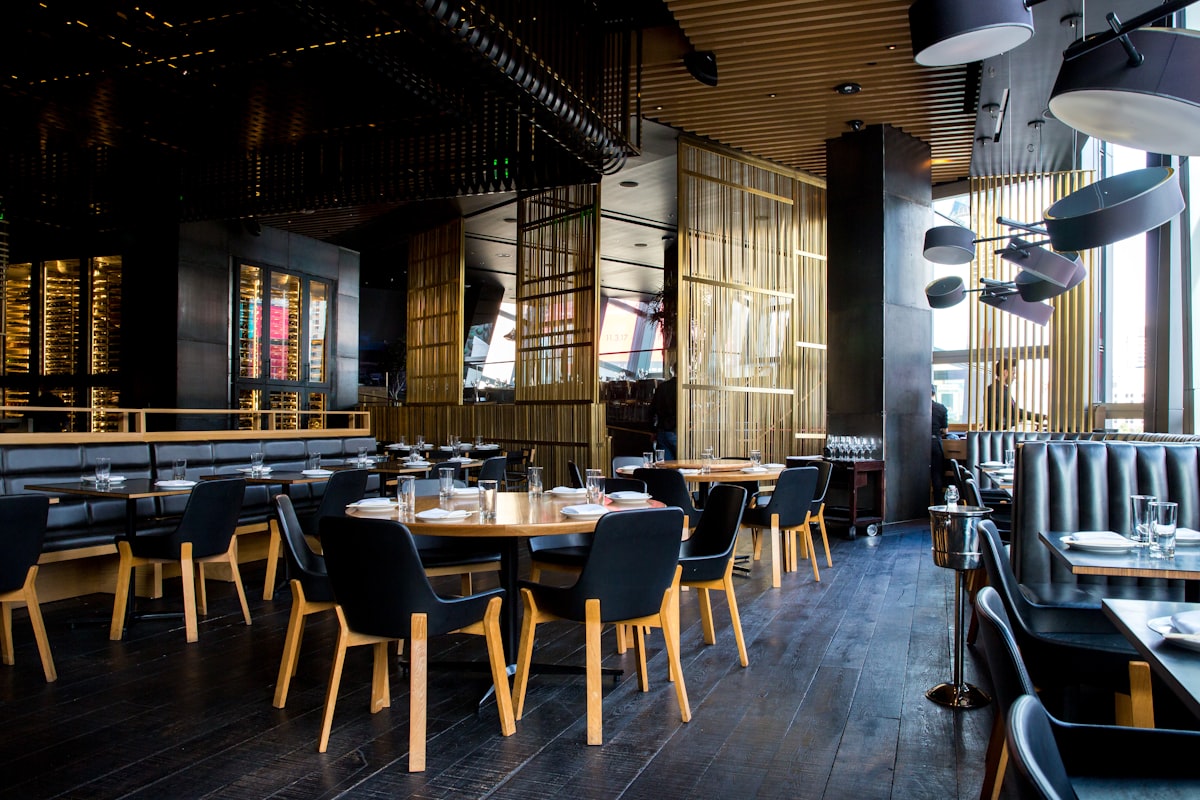
On a Thursday night you have a queue at the door and a full dining room, yet half the tables are sitting with empty plates, waiting. Waiting for someone to take the dessert order, waiting for the bill, waiting for the card machine. Every one of those minutes is a table the people in the queue can't have.
Increasing table turnover is not about hurrying people through their food. It is about cutting the minutes nobody enjoys: waiting to order, waiting for a ticket that is stuck, waiting to pay. This guide shows how to measure turn time, work out what a faster turn is worth, find the slow steps and fix them, while guests still feel welcome to stay for tea.
1First check: is turnover your problem?
Faster turns only earn money when there is someone waiting for the table. If you are rarely full, a guest who leaves ten minutes earlier just leaves an empty seat. In that case, work on average spend and bringing people in, not on speed.
Turnover matters when you regularly turn guests away, have a queue or a waiting list at peak, or can't take bookings for your busiest slots. For most restaurants that means a few peak services a week: Thursday and Friday nights, Friday lunch, Ramadan iftar, or high season in a resort town. Focus on those services only.
2What a faster turn is worth
Covers per peak = seats × seat occupancy × (peak minutes ÷ average turn time)
Seat occupancy is the share of seats actually filled at seated tables. Two people at a four-top means half the seats are empty even though the table is taken.
Illustration: 60 seats, a 210-minute dinner peak, average turn of 90 minutes, and seat occupancy of 0.75.
| Turn 90 min | Turn 75 min | |
|---|---|---|
| Turns in the peak (210 ÷ turn) | 2.33 | 2.80 |
| Covers (60 × 0.75 × turns) | 105 | 126 |
| Extra covers | 21 | |
| Extra revenue at an average check of EGP 450 | EGP 9,450 per peak |
If that applies to eight busy nights a month, it is about EGP 75,600 of extra monthly revenue from the same room and the same rent, provided the demand is there. Look at the seat occupancy figure too. Raising it from 0.75 to 0.85, by adding more two-tops or pushing tables together for groups, adds as many covers as cutting several minutes from every turn.
3Measure turn time for three busy nights
You need real numbers, not the manager's impression. For three peak services, have a host or runner write down the time of each step for every table:
- Seated
- Order taken
- First food on the table
- Mains cleared
- Bill requested
- Bill paid
- Table left
- Table reset and ready
Then split the minutes into two kinds. Guest time is time spent eating, talking and enjoying the meal. Don't touch it. Dead time is time spent waiting for you: to order, for food beyond a reasonable cooking time, for the bill, for change, and for the table to be reset. Dead time is what you cut.
If you take orders through a POS and kitchen display, the middle of the meal is already timestamped: when each order was placed, started and marked ready. You'll still need to time seating, payment and departure by hand for these three nights.
4The usual slow steps, and fixes
| Step | What goes wrong | Fix |
|---|---|---|
| Seated to order | Guests are ready but can't catch a waiter | Menu on the table from the moment they sit, a QR menu to browse, a way to call staff |
| Order to food | Tickets pile up at one station, or get lost | Balance the menu across stations, a kitchen display, clear firing rules |
| Mains to dessert | Nobody offers dessert or tea until asked | Offer it when mains are cleared |
| Bill request to payment | Bill takes ages, one card machine, no change, splitting the bill by hand | More card terminals at peak, cash float, a clear split-bill routine |
| Guest leaves to reset | Table sits dirty while the queue watches | A reset kit per section and one runner assigned to resets at peak |
The end of the meal is the worst offender
Guests forgive waiting for food they can smell. They don't forgive waiting fifteen minutes to pay after they have decided to leave. That wait feels the longest, and it is often the easiest to cut. Make sure the bill arrives within a couple of minutes of being asked for, and that payment never depends on one card machine being free.
A call button on the table helps here. Guests can ask for the bill or for a waiter without trying to wave someone down. See the call-waiter button vs flagging down staff.
5When slow service is really a menu problem
Sometimes the kitchen is slow because the menu asks too much of it. Check for these patterns:
- Too many dishes on one station. If most best-sellers go through the grill, the grill sets the pace of the whole dining room. Move a dish or two to other stations, or make one grill dish partly prepped.
- A long menu. More items mean longer decisions at the table and more setup in the kitchen. Cutting dishes that rarely sell helps both. Our menu engineering guide shows which to cut.
- Dishes with many last-minute steps. Anything assembled to order from ten components is slow at peak. Consider a simpler peak-time version.
- Items that run out mid-service. A guest who orders something unavailable has to choose again, often after the rest of the table has been served.
Getting orders to the kitchen faster matters as much as cooking faster. When a waiter walks a paper ticket to the pass, the order waits for the walk. Guests ordering from a QR menu, or waiters entering orders on a POS that sends them straight to a kitchen display, remove that gap. Our comparison of kitchen display systems vs paper tickets goes into detail.
6How to turn tables without rushing anyone
A guest who feels pushed out won't come back, and will say so in a review. Some rules that protect the experience:
- Never bring the bill until it is asked for. In Egypt and much of the region, an unrequested bill is read as a request to leave.
- Don't clear plates while others at the table are still eating.
- Speed up your side, not theirs. Faster ordering, faster tickets and faster payment shorten the meal without anyone feeling hurried.
- Be upfront at booking. If peak tables have a time limit, say so when the reservation is made, not at the table.
- Give lingerers somewhere to go. A lounge area or bar where a table can move for tea or shisha frees the dining table without ending the evening.
Applying turn-time targets to every service.
→ Off-peak, a table that stays for a second round of tea is a good thing. Only manage turnover at the peaks where people are waiting.
Cafés are a special case. Guests often come to stay, and that is the product. Rather than pushing turns, many cafés set a clear per-person minimum on the menu and focus on refills and second orders.
7Where Menyo fits
Menyo's Growth plan lets guests order from a QR code at the table and call a waiter with one tap, which cuts the wait to order and the wait for the bill. The Professional plan adds a POS and kitchen display with order statuses (received, preparing, ready) that update in real time, plus reservations with configurable slot lengths. Menyo does not calculate table turn time for you. It shortens the steps inside the meal, and its order timestamps help you see where the kitchen slows down.
8Frequently asked questions
What is a good table turn time?
It depends on concept. A quick-service place turns much faster than a family grill or fine dining. Measure your own peak services and aim to cut dead time rather than hitting an outside number.
How do I calculate table turnover?
Divide the minutes in your peak by your average turn time to get turns per table, then multiply by seats and seat occupancy to get covers. Compare that with your queue to see whether faster turns would actually be filled.
Do QR menus make table turnover faster?
They can shorten the wait before ordering, because guests browse as soon as they sit, and QR ordering removes the wait for a waiter. Whether turn time falls depends on whether ordering was your slow step.
How do I stop guests feeling rushed?
Speed up your own processes (ordering, kitchen, payment, reset) and leave eating time alone. Never bring the bill unasked, and state any time limit at booking.
9Start with one Thursday
Time every table for one peak service. Mark the dead minutes. Fix the biggest one, which is very often the bill, and time the next Thursday. Then move to the next step.
If you want guests ordering from the table and tickets going straight to the kitchen, start a Menyo trial. See pricing for what each plan includes.
Ready to digitize your menu?
Create a beautiful QR menu from a photo in minutes—the AI scan takes about 60 seconds. AI extracts items and prices automatically.
Try Menyo Free