
How to plan a Ramadan menu: iftar, suhoor and set menus
A step-by-step Ramadan plan for restaurants: service models, iftar set costing, suhoor menus, pre-orders and a countdown for the sunset rush.
Menyo Team
May 10, 2026
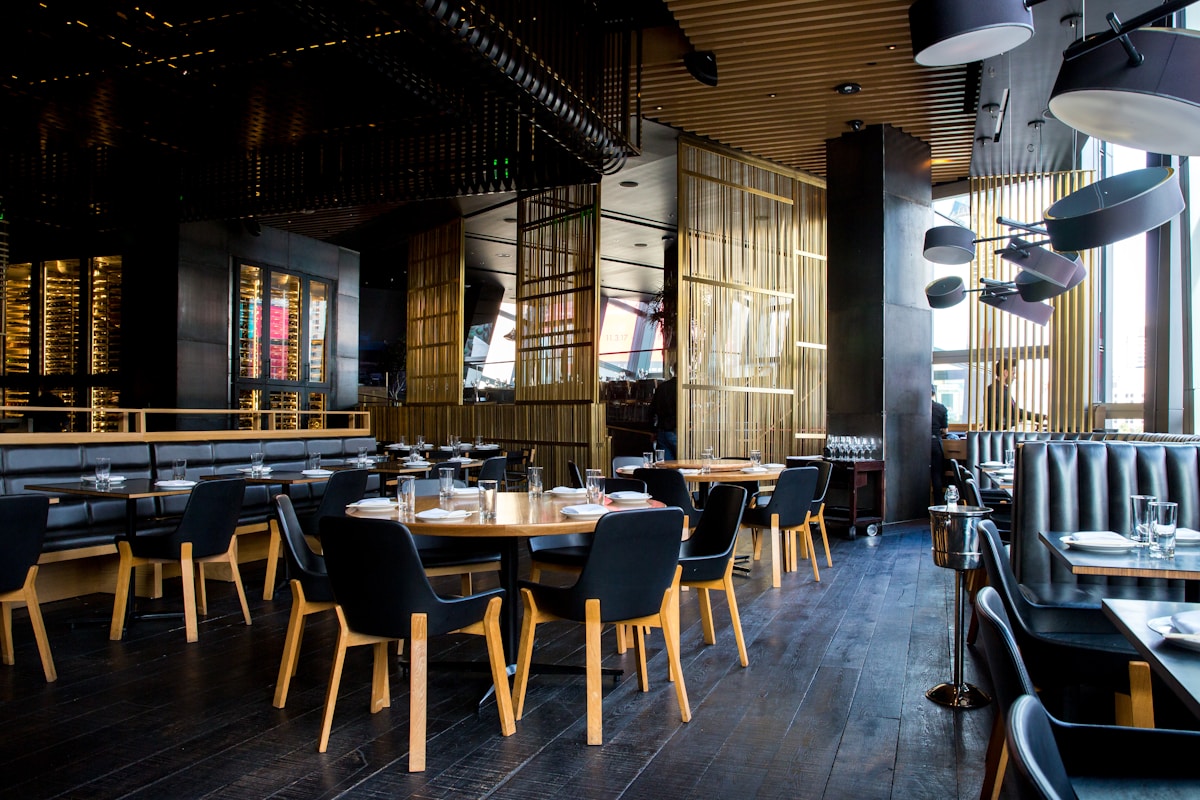
Ramadan turns a restaurant's day upside down. Lunch disappears, the dining room sits empty all afternoon, and then every table wants to eat within the same few minutes of the maghrib call. A few hours later a second, slower wave arrives for suhoor. The menu that works in October does not work here, and a kitchen that tries to cook an à la carte menu to order at sunset will fall behind before the first dates are finished.
This guide is for restaurants and cafés in Egypt and the wider region planning their Ramadan menu. It covers choosing a service model, building and pricing an iftar set, planning suhoor, taking pre-orders and bookings, running the sunset rush, and setting all of it up on your digital menu. Next Ramadan is expected to begin in early February 2027 (the exact date depends on the moon sighting), so the planning window opens in December.
1Step 1: Choose your Ramadan service model
Decide this first, because everything else (menu, pricing, staffing, bookings) follows from it. Most venues pick one or two of these:
| Model | Works best for | Main advantage | Main risk |
|---|---|---|---|
| Fixed iftar set menu | Casual and mid-range restaurants | Kitchen knows exactly what to prep; fast service at sunset | Less choice for regulars |
| Open buffet | Hotels, large venues | Handles large numbers with fewer servers | Food waste and the cost of over-producing |
| À la carte with a short Ramadan section | Cafés, small restaurants with low iftar demand | Least disruption to normal operations | Kitchen overload if many tables order at once |
| Iftar boxes for delivery and takeaway | Delivery-strong kitchens, cloud kitchens | Sales without seating limits | Every order due at the same time; tight delivery window |
| Late-night suhoor service | Cafés, shisha cafés, foul and feteer places | Uses the quiet late hours | Staff fatigue across 30 nights |
A common and manageable combination is a fixed iftar set for dine-in plus a short suhoor menu from around 10 pm. Venues with strong delivery add a limited iftar box.
2Step 2: Build the iftar set around what people break the fast with
An iftar set has a predictable shape, and guests expect it. Fill each slot and keep the options short:
- Break-fast on the table: dates, water, and a traditional drink (qamar el din, karkadeh, tamr hindi, sobia or a fresh juice). These should be on the table before maghrib.
- Soup: lentil soup or a chicken orzo soup. Easy to hold hot in volume.
- Starters: one or two salads plus a fried item such as sambousek, which can be fried in batches just before sunset.
- Main course: a choice of two or three at most (for example grilled chicken, kofta, or a vegetarian option), each with rice or bread.
- Dessert: kunafa, qatayef or basbousa. Qatayef in particular is strongly associated with Ramadan.
Limiting mains to two or three choices is what makes the sunset rush possible. Every extra choice is another station the kitchen has to run at full speed in the same five minutes.
3Step 3: Price the set menu from the plate up
Do not price an iftar set by adding the menu prices of its parts and taking a discount off that total; you will end up with a price disconnected from what the set costs you. Cost it instead.
Illustration: say your iftar set costs you the following per guest.
| Component | Ingredient cost (EGP) |
|---|---|
| Dates, water and a Ramadan drink | 25 |
| Lentil soup | 15 |
| Salad and 2 sambousek | 30 |
| Main (average across the choices) with rice | 110 |
| Dessert | 25 |
| Total | 205 |
If your usual food cost target is around a third of the selling price, that points to a set price near EGP 600 to 650 per person. Then sanity-check against what your guests usually spend at dinner and what similar venues nearby charge. Set menus often carry a slightly better food cost for the venue because prep is predictable and waste is lower, so you have room to offer good value without cutting margin. The broader method is in our food cost percentage guide.
Pro Tip
Offer a clearly priced children's iftar and a group set (for example "family set for 4") rather than negotiating discounts table by table. Families book iftar together, and a fixed group price is faster to take and easier to prepare.
4Step 4: Plan suhoor as a different kind of service
Suhoor is slower, longer and more social than iftar. People linger, order in rounds, and often come in groups after tarawih. The menu should reflect that:
- Foul, ta'meya, eggs, cheeses and bread for a traditional suhoor, or feteer with sweet and savoury fillings.
- Yogurt, fruit and lighter plates for guests who want something that sits well through a fasting day.
- Hot drinks and desserts for groups who come to sit rather than eat a full meal.
Decide your last-order time and state it on the menu. Staff are working late for thirty nights running, and a clear cut-off protects them.
5Step 5: Take bookings and pre-orders before the rush, not during it
For iftar, knowing your numbers in advance is worth more than any menu trick. Seats at sunset are one sitting per night, so every empty seat at maghrib is revenue you cannot recover later.
- Take reservations with a head count and ask for special requests (high chairs, a larger table, dietary needs) at booking time.
- Set a cut-off for iftar bookings, for example 3 pm the same day, so the kitchen can finalise prep quantities.
- For large groups, take the main-course choices in advance and consider a deposit. In Egypt, an InstaPay transfer is a practical way to collect it; see our guide to InstaPay and Fawry payments.
- For delivery iftar boxes, close ordering well before sunset (for example 90 minutes before maghrib, adjusted to your delivery radius) so riders can deliver before the adhan rather than after it.
If you currently take bookings on WhatsApp, a proper booking page with slot capacity prevents double-booking the same table. How that works alongside a QR menu is covered in our guide to QR menu reservations.
6Step 6: Run the sunset rush like a countdown
Treat the last hour before maghrib as a timed sequence. A simple version:
- 60 minutes before: soup hot and holding, salads plated and chilled, sambousek ready to fry, mains prepped to the last step.
- 30 minutes before: tables set; dates, water and drinks placed on booked tables; walk-ins seated and their set orders taken.
- 10 minutes before: soup ladled for seated guests; fryer running.
- Maghrib: guests break their fast; staff are not taking orders now, they are serving.
- 10 to 20 minutes after: mains go out table by table in booking order; the kitchen fires from a single queue, not from waiters shouting.
The single most useful tool here is taking every order before sunset. When guests order on the table QR menu while they wait, orders reach the kitchen in sequence and nobody is waving for a waiter at the exact moment the whole room is eating. If your kitchen uses a display screen, orders arrive in columns rather than as a pile of paper tickets; our kitchen display guide explains the difference.
7Setting up the Ramadan menu digitally
Build Ramadan as its own menu rather than editing your normal one, so switching back after Eid takes one click instead of an evening of re-editing:
- Create a Ramadan menu with sections for Iftar sets, Suhoor, Ramadan drinks and Desserts.
- State the serving times in the menu header (iftar at maghrib, suhoor from 10 pm, last orders).
- Write each set's contents clearly in Arabic and English, including the main-course choices.
- Use modifiers for the main-course choice and for drink options, so the kitchen receives the exact selection with each order.
In Menyo, a separate Ramadan menu needs the Growth plan (3 menus) or above; table ordering is on Growth, and delivery orders, reservations and scheduled promotional banners are on Professional. You switch the Ramadan menu on and off yourself, since there is no automatic date-based rotation.
Leaving the Ramadan menu live after Eid
→ Put a reminder in your calendar for the last night of Ramadan. On Eid morning, switch tables back to your normal menu and consider a short Eid dessert or family-lunch section for the holiday days.
8Frequently asked questions
Should I offer a buffet or a set menu for iftar?
For most small and mid-size restaurants, a set menu is easier: prep is predictable, waste is lower and service is faster. Buffets suit hotels and large venues that can absorb the waste and have the space for stations.
How far in advance should I plan my Ramadan menu?
Start about eight weeks before: finalise the model and menu six weeks out, cost and photograph four weeks out, and open bookings two to three weeks before the first iftar.
Should I stay open during the day in Ramadan?
That depends on your location and guests. Many venues in Egypt close or run takeaway only during fasting hours, while tourist-area venues often keep serving. Check local rules and what is normal in your area.
How do I stop the kitchen collapsing at maghrib?
Limit main-course choices to two or three, take every order before sunset, have starters and drinks on tables in advance, and fire mains from one ordered queue.
9Before the first iftar
Pick your service model this week, cost one iftar set on paper, and decide your booking cut-off and delivery cut-off times. Everything else (photos, translations, staff rotas) follows from those decisions. After Ramadan, compare covers per night and waste against your plan so next year's menu starts from real numbers.
If you want to build a separate Ramadan menu, take orders from the table before sunset and switch back after Eid in one step, you can set up your Menyo account well ahead of the month.
Ready to digitize your menu?
Create a beautiful QR menu from a photo in minutes—the AI scan takes about 60 seconds. AI extracts items and prices automatically.
Try Menyo Free