
How to build a seasonal menu (and how often to change it)
Keep a stable core menu, rotate a small seasonal section, and launch it with a three-week routine. Includes an Egyptian summer and winter calendar and costing example.
Menyo Team
June 19, 2026
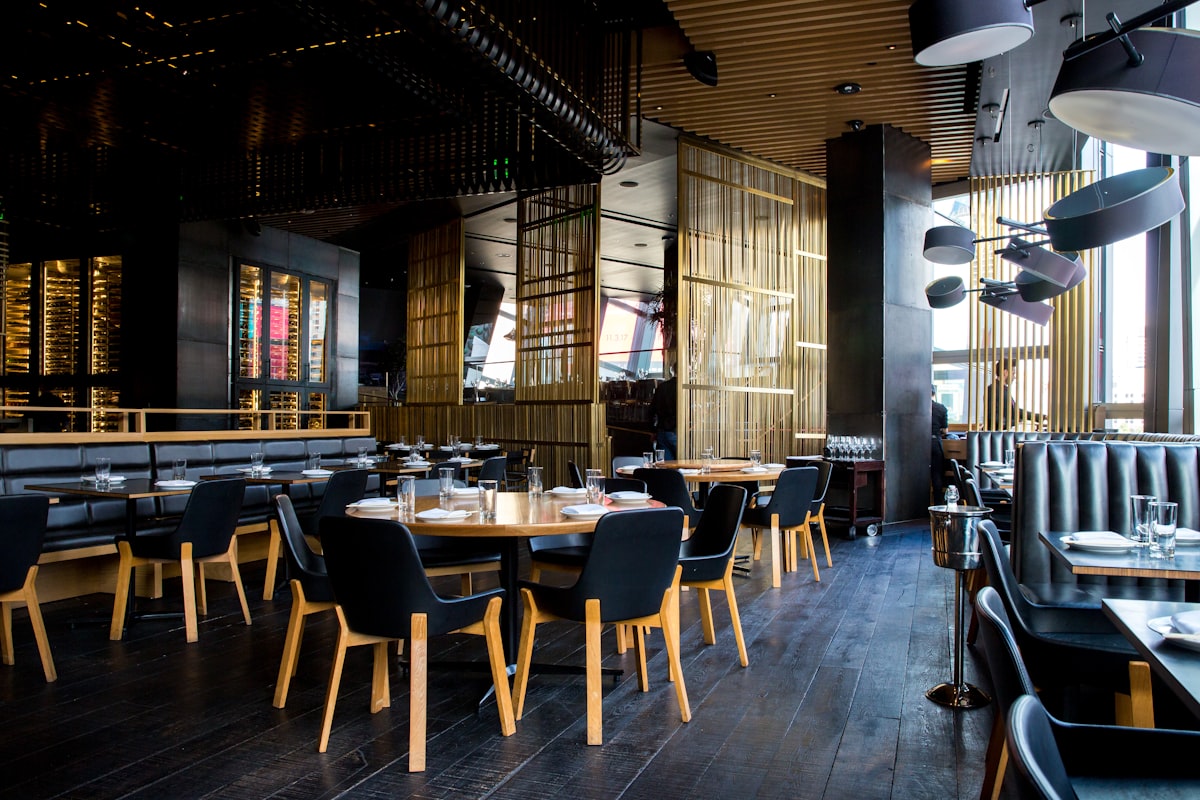
In Egypt the menu calendar is not really spring, summer, autumn and winter. It is a long hot summer when nobody wants lentil soup, a short cool winter when sahlab and feteer sell themselves, Ramadan moving about eleven days earlier every year, and, for coastal venues, a tourist or Sahel season that can double your covers for a few months. A menu that ignores all of that leaves money on the table in both directions.
The fix is not rewriting the whole menu four times a year. It is a stable core menu plus a small rotating section, a clear rule for how often each part changes, and a launch routine that does not blow up the kitchen. This guide gives you all three, with costing examples and the checks that tell you which seasonal items deserve to come back next year.
1How often to change what: a simple rule
"How often should I update my menu?" has no single answer because different parts of the menu move at different speeds. Split it:
| Menu layer | What it is | Change it |
|---|---|---|
| Core menu | The bulk of the menu: the items people come for | Review once or twice a year; cut or replace only the weak performers |
| Seasonal section | 4 to 8 items tied to weather, produce or occasion | At each season change (roughly every 3 to 4 months in Egypt, plus Ramadan) |
| Specials | Daily or weekly dishes, often using surplus stock | Weekly or daily |
| Prices | Any item whose ingredient cost has moved | Whenever food cost for that item drifts past your target, not on a calendar |
| Availability | Items sold out today | In real time |
Keeping these separate is what stops menu changes becoming chaos. Your regulars keep finding their usual order, while the seasonal section gives them a reason to look again.
2What an Egyptian seasonal calendar actually looks like
Build your rotation around weather, produce and events that really change what your guests order. A typical pattern for a café or casual restaurant:
- Summer (roughly June to September): iced coffees, fresh juices, smoothies, lighter plates, salads, cold desserts. Mango season arrives mid-summer and is short, so mango drinks and desserts make natural limited-time items.
- Autumn (October to November): guava juice, pomegranate, the return of warm drinks in the evenings. A good time to test winter items on a small scale.
- Winter (December to February): sahlab, hummus el sham, hot chocolate, lentil soup, feteer, oven dishes. Egyptian strawberries and citrus are in season, which suits desserts and fresh juice.
- Ramadan (dates move each year): iftar and suhoor menus replace normal service patterns entirely. This one gets its own plan; see our Ramadan menu guide.
- Coastal and tourist seasons: Sahel venues live on the summer; Red Sea and Sinai venues often peak in winter with European visitors. Your seasonal section there is about who is visiting, not only the weather.
Check produce timing with your own suppliers each year rather than trusting a calendar. Price is the signal: when mango or strawberries drop to their seasonal low, that is your launch window.
3How many seasonal items, and which ones
A seasonal section of four to eight items is enough for most venues. More than that and your kitchen is running two menus with the same staff. Build the section from these slots:
- One or two drinks (the cheapest items to add, since they rarely need new equipment or prep space).
- One or two dishes built from ingredients you already stock, recombined for the season. A winter oven pasta that uses your existing cheese and sauce base costs you almost nothing in new inventory.
- One hero item tied to a seasonal ingredient, priced for margin, that you can photograph and promote.
- One dessert.
Adding a seasonal item that needs five new ingredients
→ Every new ingredient means a new supplier line, storage space and waste risk. Aim for at least two thirds of each seasonal recipe to come from stock you already carry.
4Costing a seasonal item when prices swing
Seasonal produce is cheap at peak and expensive at the edges of the season. Price the item at the worst ingredient cost you expect during the window, not the best.
Illustration: say a mango smoothie uses 250 g of mango, milk, yogurt and a cup. At peak season the mango costs you EGP 15 per portion and the rest EGP 20, so the drink costs EGP 35 to make. At the start of the season the same mango might cost EGP 30, taking the drink to EGP 50. If you target a food cost of around 25 to 30 percent of the menu price for drinks, pricing off the peak cost suggests roughly EGP 120 to 140, while pricing off the early-season cost suggests EGP 170 to 200. Pick your launch date and price together: launch when the ingredient is cheap, or price for the dearer weeks.
The general method, and target ranges by item type, are in our guide to food cost percentage targets. If inflation keeps moving your costs mid-season, our pricing-under-inflation guide covers when and how to reprice.
5Launching a seasonal menu without chaos: a three-week routine
Most seasonal launches go wrong in the kitchen, not on the menu. Run this routine for each season:
- Three weeks before: test-cook each item, write the recipe card with exact weights, and confirm supply with your vendors.
- Two weeks before: cost each item at the worst expected price, set menu prices, and photograph the dishes in daylight.
- One week before: staff tasting so every waiter can describe the items; write descriptions and translations; build the section in your digital menu but keep it hidden.
- Launch day: publish the section, brief the kitchen on prep quantities, and tell regulars (WhatsApp status, Instagram, a table card).
- End of week one: check what sold and adjust prep quantities before waste builds up.
Launch mid-week, not on your busiest night. A Tuesday launch gives the kitchen a few calm services to learn the new items before the weekend.
6Running the rotation on a digital menu
A printed menu makes seasonal rotation expensive because every change is a reprint. On a digital menu the mechanics are cheaper, but you still need a clean structure:
- Option A: a seasonal category at the top of your main menu. Simplest, and regulars see it first. Rename it each season ("Winter warmers", "Summer drinks").
- Option B: a separate seasonal menu. Useful when the change is big (a Ramadan menu, or a beach-bar menu for summer) and you want different tables or areas to see different menus.
In Menyo, Option A works on any plan. Option B needs more than one menu, which the Growth plan (3 menus) and Professional plan (10 menus) include, and you can assign different menus to different tables. On Professional you can also add a scheduled promotional banner announcing the new items. There is no automatic "switch on the 1st of June" rotation, so you publish the seasonal section yourself on your launch day; put the dates in your calendar. When a seasonal ingredient runs out before the season ends, mark the item as sold out rather than deleting it, as explained in our guide to handling sold-out items.
7Deciding what comes back next year
At the end of each season, spend twenty minutes on a simple review of every seasonal item:
- Units sold per week compared with the average core item in the same category.
- Gross profit per unit (menu price minus ingredient cost, at the price you actually paid).
- Kitchen effort: did it slow the line or create waste?
Items that sold well with good profit come back next year, maybe earlier. Items that sold well but made little money come back with a new price or recipe. Items that sold poorly are dropped, however much the chef loved them. Occasionally a seasonal item sells so well year-round that it should graduate to the core menu; that is how most menus improve over time.
8Frequently asked questions
How often should a restaurant change its menu?
Review the core menu once or twice a year, rotate a small seasonal section at each season change, and update specials weekly. Prices should change when ingredient costs move, not on a fixed calendar.
Will regulars be upset if their favourite seasonal item disappears?
Some will ask for it, which is useful information. Tell them when it returns. If many guests ask, that is a sign the item may belong on the core menu.
Should seasonal items cost more than core items?
Not automatically. They should be priced to your food cost target at the dearer end of the ingredient's season. Limited availability can support a slightly higher price, but only if the dish delivers.
Can I build a seasonal menu in an hour?
You can plan it in an hour: pick four to six items from ingredients you already stock, cost them, and write the descriptions. Testing recipes and briefing staff takes longer, which is why the three-week routine above starts early.
9Plan your next season now
Look at the next change of season on your calendar, count back three weeks, and put the test-cooking day in the diary. Pick your four to six items with at least two thirds of the ingredients already in stock, price them at the dear end of the season, and decide now which of this season's items earned a return.
If you want to add, hide and reprice seasonal items from your phone without reprinting anything, you can sign up for Menyo and build your seasonal section in the first session.
Ready to digitize your menu?
Create a beautiful QR menu from a photo in minutes—the AI scan takes about 60 seconds. AI extracts items and prices automatically.
Try Menyo Free