
How to get more catering and private event bookings
Sell your kitchen's quiet hours: build three catering packages, price them from cost, put the offer where guests look, and turn enquiries into deposits.
Menyo Team
June 19, 2026
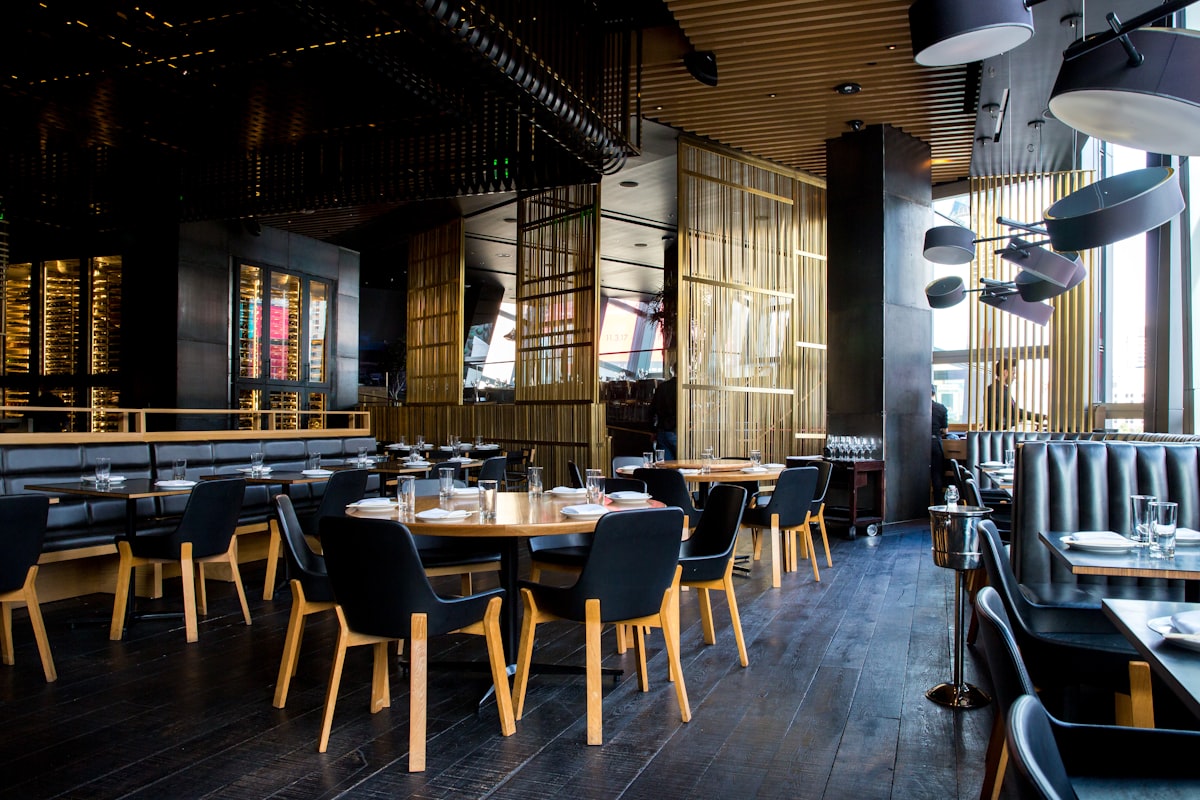
Most restaurants have a kitchen that sits half idle between 3pm and 7pm, and again on weekday mornings. Catering and private events are the most direct way to sell that dead capacity, because the order arrives days in advance, the headcount is fixed, and you buy ingredients against a confirmed number instead of a guess.
The catch is that group business does not come from waiting for the phone. It comes from a small number of clear packages, a price you can defend, and a way for the office manager or the birthday organiser to reach you in under a minute. This guide covers all three: how to decide if catering fits your kitchen, how to build and price packages, where to put the offer so people find it, and how to handle enquiries so they turn into deposits.
1First, check whether your kitchen can take it
Catering looks like free money until a 60-person office lunch lands on the same Thursday as a busy dine-in service. Before you advertise anything, answer four questions honestly.
- When is your kitchen genuinely quiet? Look at a normal week and mark the hours where the line is standing around. That window is your catering production time. If it does not exist, catering will cost you dine-in quality.
- What is your largest batch? Count your biggest pots, trays and oven capacity. If your oven holds four gastronorm trays of rice or roast chicken at once, that is your realistic ceiling per cooking cycle.
- How will food travel? You need insulated boxes, disposable or returnable trays, and a car or a trusted driver. Hot food that arrives lukewarm damages the relationship more than a late delivery.
- Who owns it? One named person (often the owner or the sous chef) must take the enquiry, confirm the menu and check the order before it leaves.
A quick capacity rule: take your quiet-window hours, multiply by the portions one cook can prep and plate per hour on your easiest dishes, and use half of that number as your maximum catering order until you have done a few. Half gives you margin for the first mistakes.
2Build three packages, not a price list
A corporate client does not want to choose 14 items from your dine-in menu. They want to pick a tier, give a headcount and a date, and forward your quote to whoever approves spending. Packages also protect your margin because you choose dishes that hold well and travel well.
Keep it to three tiers. Here is an illustration for a casual Egyptian restaurant; swap in your own dishes and costs.
| Package | What's in it | Best for | Minimum |
|---|---|---|---|
| Working lunch | 2 mains, rice or pasta, salad, bread, bottled water | Office meetings, training days | 10 people |
| Celebration buffet | 3 mains, 2 sides, 3 mezze, 1 dessert | Birthdays, engagements, team events | 20 people |
| Iftar or dinner set | Soup, dates and juice, mezze, 2 mains, Ramadan dessert | Ramadan company iftars, family gatherings | 15 people |
Choose dishes for catering on three criteria: they reheat or hold without collapsing (stews, grilled chicken, rice, baked pasta, mahshi), they share one prep with something already on your dine-in menu, and they look generous in a foil tray. Fries, delicate fish and anything with a crisp crust are poor choices unless you are serving on site.
Pro Tip
Write every package in both Arabic and English and put the minimum headcount right next to the price. It saves a round of messages with every enquiry and filters out the orders that are too small to be worth the setup.
3Price group orders from cost, then check the market
Group pricing goes wrong when owners start from their dine-in prices and apply a discount. Catering has different costs: packaging, transport, setup time and sometimes staff on site. Build the per-person price from the bottom up.
Worked illustration for the "Celebration buffet" for 30 people (replace every number with yours):
| Cost line | Per person (EGP) | How to get your figure |
|---|---|---|
| Food cost | 160 | Recipe cost of each portion, from your costing sheet |
| Packaging and disposables | 25 | Trays, lids, cutlery, napkins, divided by headcount |
| Labour | 35 | Prep and packing hours × hourly wage, divided by headcount |
| Transport | 10 | Driver or fuel cost for the round trip, divided by headcount |
| Total cost | 230 |
If you target food and direct costs at around a third of the selling price, this package sells at roughly EGP 650 to 700 per person. Now compare that with what a guest would spend eating the same dishes in your dining room. If the catering price is far above it, trim the package; if it is far below, you are subsidising the event.
For private events inside your venue, you have three pricing models:
- Set menu per head. Simplest to quote and staff. Works for birthdays and company dinners.
- Minimum spend. The group books a section or the whole venue and commits to spending a fixed amount on food and drinks. Set it at or above what that space normally earns on that night.
- Room hire plus menu. A flat fee for exclusive use, then food on top. Only fair if the booking forces you to turn away regular guests.
For a deeper look at targets, the menu cost percentage guide walks through how to set food cost targets by category.
4Put the offer where group buyers already look
People who order catering are usually existing guests: someone who ate lunch with you and later gets asked to sort the team's end-of-quarter meal. Your job is to make sure they know you do it. That means the offer has to live in places they already touch.
- A "Catering and events" section on your digital menu. Add it as the last category with the three packages, prices per person and minimums. Every guest who scrolls to desserts sees it.
- A line on your table tent and receipt. "Catering from 10 people. WhatsApp 01X XXX XXXX." Short enough to read while paying.
- Your website and Google Business Profile. A page or section with photos of real trays and set-ups, not stock images.
- Instagram highlights. A pinned highlight called "Events" with past set-ups and the packages.
- Direct outreach. Offices, schools, clinics and co-working spaces within delivery range. A printed one-page menu and a tasting tray to the office manager does more than any post.
If you use Menyo, the pieces map like this: a "Catering and events" category works on any plan, a separate catering menu needs Growth ($49/month, three menus) or above, and the restaurant website (from Starter) has an upcoming-events section with dates, images and a button that hides itself once the date passes. On Professional you can also run a scheduled promotion banner on the menu with a link, for example to your WhatsApp chat during the weeks before Ramadan. There is no built-in catering quote form, so the enquiry itself goes to WhatsApp or a phone call.
5Turn enquiries into confirmed bookings
A catering lead goes cold fast. The organiser is usually collecting two or three quotes and will pick whoever answers clearly first. Reply the same day, ideally within a couple of hours.
Ask these questions in your first reply so you can quote in one message:
- Date, time and delivery address (or dine-in at your venue)
- Number of people, and whether that number is confirmed
- Which package, or the budget per person
- Dietary needs: vegetarian, allergies, children
- Serving set-up: drop-off only, or do they need staff, chafing dishes, plates
- Invoice details if it is a company (name, tax registration number)
Then send a quote with the package, headcount, total, what is included and what is not, and your terms. Keep a simple template in your phone's notes so you are filling in blanks, not writing from scratch.
Cooking on a verbal "yes" with no deposit
→ Ask for a deposit (commonly a third to a half of the total) by InstaPay or bank transfer to confirm the date, and set a deadline for the final headcount, such as 48 hours before. After the deadline, the client pays for the confirmed number even if fewer people turn up.
Write your cancellation terms into the quote: full refund of the deposit up to a set number of days before, no refund inside that window because you will already have bought stock.
6Private events inside your venue
Booking a section of your restaurant for a party has a different risk: the space you give away is space you would have sold to walk-in guests. Before accepting, compare the event's guaranteed revenue with what that section normally earns on that day and time. A Tuesday afternoon engagement party is almost pure gain; a Thursday night buyout may not be.
Practical rules that save arguments later:
- Fix the end time in writing. Overruns delay the next seating or your closing.
- Decide on outside cakes and decorations in advance, and charge a cake-cutting fee if you allow outside cakes.
- Pre-order the menu at least three days ahead so the kitchen preps once instead of cooking 25 à la carte orders at the same time.
- Assign one server as the event's point of contact for the whole evening.
If you already take table bookings online, larger parties still need a personal call or message. For the standard booking flow, see how to take table reservations without a separate app. Menyo's reservation system (Professional and above) records the occasion, such as birthday or business, and a seating preference including "private", which is useful for spotting group bookings early, but deposits and custom quotes are still handled by you directly.
7Frequently asked questions
How much notice should I require for catering orders?
Ask for at least 48 hours for orders under 30 people and a week for anything larger. That gives you time to order stock at normal supplier prices instead of paying for emergency purchases, and to fit production into your quiet hours.
Should catering prices be lower than my dine-in prices?
Not automatically. You save on table service and dishwashing, but you add packaging, transport and prep labour. Build the price from cost as shown above. Many restaurants end up close to dine-in pricing per person, with a lower price per portion because the portions are standardised.
Do I need to charge VAT on catering invoices?
If your business is VAT-registered in Egypt, catering and event sales are taxable sales like any other, so the company client will expect a proper tax invoice. Confirm the details with your accountant, especially for corporate clients who need invoices in their company name.
How do I get corporate clients if I have never done catering?
Start with offices within ten minutes of your restaurant. Drop a printed package sheet and a small tasting tray to the office manager or HR, then follow up by WhatsApp a week later. One reliable monthly office lunch is worth more than a dozen one-off parties.
8Start small and make it repeatable
Catering works when it is boring for your team: three packages, one price sheet, one person answering enquiries, a deposit rule and a final headcount deadline. Launch with the working lunch package only, deliver ten orders, fix what broke, then add the buffet and event options. If you run a Ramadan menu, the Ramadan digital menu guide pairs well with a group iftar package.
Want your catering packages on the same menu your guests already scan, with an events section on your restaurant site? Set up your Menyo menu and add your packages as their own category.
Ready to digitize your menu?
Create a beautiful QR menu from a photo in minutes—the AI scan takes about 60 seconds. AI extracts items and prices automatically.
Try Menyo Free