
How to run menu promotions, flash sales and happy hours
Before discounting anything, work out how many extra sales the offer needs. A practical guide to happy hours, flash sales, BOGO versus bundles, and measuring the result.
Menyo Team
June 17, 2026
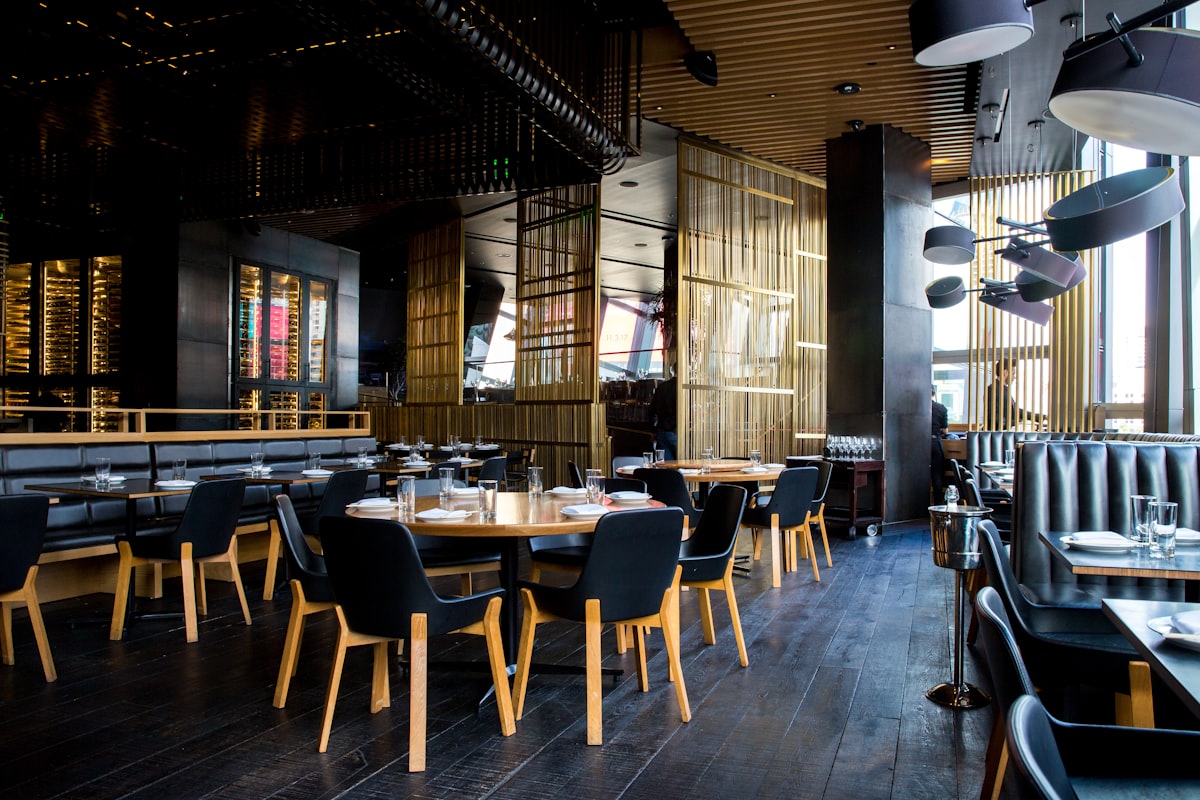
Every owner knows the empty hours: Tuesday at 4 pm, the stretch after lunch, the first hour after opening. The instinct is to put something on offer. Sometimes that fills tables. Just as often it hands a discount to guests who were coming anyway, and the month ends with more covers and less profit.
The difference between those outcomes is decided before the promotion starts: which problem it solves, how many extra sales it needs to break even, and how you will check afterwards. This guide covers matching the promotion type to the problem, the break-even sum for any discount, running happy hours and flash sales, choosing between BOGO and bundles, setting the offer up on a digital menu, and measuring whether it made money.
1Start from the problem, not the offer
Different promotions fix different problems. Pick the problem first:
| Problem | Promotion that fits | Why |
|---|---|---|
| A predictable slow window (afternoons, early week) | Happy hour or time-limited price on a few items | Moves demand into hours where staff and seats are idle anyway |
| Low average check | Bundle or combo (main plus side plus drink) | Adds items to the order instead of cutting the price of one |
| A new item nobody is trying | Introductory price or free taster with a main | Lowers the risk for the guest of trying something unknown |
| Surplus stock close to expiry | Flash sale for a few hours | Turns likely waste into some revenue |
| Guests not coming back | A targeted offer for lapsed guests, not a public discount | Avoids discounting regulars who were coming anyway |
If you cannot name the problem in one sentence, do not run the promotion. "We want more sales" is not a problem; "Sunday to Wednesday between 3 and 6 pm we use three tables out of twenty" is.
2The break-even sum every promotion needs
A discount cuts the profit on every unit you sell during the promotion, including units you would have sold anyway. So you need to know how many extra units make up for it.
Pro Tip
Units needed = normal units x (normal gross profit per unit) / (promo gross profit per unit). Gross profit per unit is price minus ingredient cost.
Illustration: an iced latte sells for EGP 120 and costs EGP 35 to make, so it earns EGP 85. Between 5 and 7 pm you normally sell 20, earning EGP 1,700. A happy-hour price of EGP 90 earns EGP 55 per drink. To earn the same EGP 1,700 you need 1,700 / 55, about 31 drinks: 11 more than usual just to stand still. If the offer only brings 25 drinks, you served more people and made less money.
Two things usually make the sum work in your favour: guests who come for the offer also order full-price items (food with the discounted drink), and the extra sales land in hours when staff are already paid. Count both, but estimate them honestly. For ingredient costs and target margins, see our food cost guide.
3Running a happy hour that fills the slow hours
Happy hour is the most useful promotion for a predictable quiet window, and it is not only for bars. A café can run one on iced drinks and fresh juice in the afternoon slump; a restaurant can run one on starters and soft drinks before the dinner rush. Rules that keep it profitable:
- Pick the window from your data, not from habit. Look at your sales or menu-visit report by hour and day, and choose the two hours that are consistently quietest.
- Discount a short list of items with good margin, usually drinks and small plates, not your most expensive mains.
- Make the end time hard and visible. "Happy hour 4 to 6 pm, orders placed by 6" avoids arguments at 6:10.
- Keep the regular price visible next to the happy-hour price so guests see the saving.
- Brief staff on exactly which items qualify and what happens at the cut-off.
For licensed bars, check that your promotion complies with your licence conditions and local rules on alcohol promotion before advertising it. Bar-specific menu setup is covered in our guide for bars and pubs.
4Flash sales: short, capped and announced where guests look
A flash sale is a promotion measured in hours, not weeks. It works for surplus stock, for testing whether price is what holds an item back, and for creating a reason to visit today. Keep it tight:
- Set a short window, two or three hours on the same day.
- Cap the quantity ("first 30 portions") so you never sell more discounted units than you planned.
- Announce it where your guests already are: WhatsApp status, an Instagram story, a message to guests who opted in to offers.
- Put it at the top of the menu as a banner during the window, then remove it the moment it ends.
Running the same "flash" sale every week
→ A flash sale that happens every Thursday stops being urgent and becomes the price guests wait for. If it works every week, make it a permanent timed offer and price it as one.
5BOGO versus bundles: which one to use
Buy-one-get-one sounds generous, and that is the problem: it usually halves your profit on the pair. Compare the two using a burger that sells for EGP 200 and costs EGP 70 to make:
| Option | Guest pays | Ingredient cost | Gross profit |
|---|---|---|---|
| One burger, full price | EGP 200 | EGP 70 | EGP 130 |
| BOGO: two burgers for the price of one | EGP 200 | EGP 140 | EGP 60 |
| Bundle: burger, fries and drink | EGP 250 | EGP 97 | EGP 153 |
The bundle increases the check and the profit; the BOGO roughly halves profit per transaction unless it brings in a lot of new guests. BOGO has its uses (launching a product, a one-off event, bringing a group through the door on a dead night), but use it for a specific goal and a short time. For everyday value, bundles almost always serve you better.
6Setting up promotions on your digital menu
On a printed menu, time-limited offers mean table tents and staff memory. On a digital menu you can schedule them. What to set up, whatever tool you use:
- A start and end time for every offer, so it turns itself off.
- A clear banner or badge on the affected items during the window.
- Limits: minimum order, maximum discount, and total or per-guest usage caps for anything generous.
- A promo code if the offer is for a specific audience (for example, only guests who received your WhatsApp message).
- A record of every redemption so you can count the promotion's sales later.
In Menyo, promotions are part of the Professional plan: scheduled banners on the menu, and offers as a percentage or fixed amount off, BOGO or a free item, triggered by time of day, day of week, cart value or first order, with promo codes, caps and usage limits. Offers can also target customer segments such as returning or inactive guests, and redemptions are tracked. For recurring specials that are not discounts, see our daily specials guide.
7Measuring whether the promotion made money
Run every promotion for a fixed period (two to four weeks for a recurring offer) and then check:
- Gross profit in the promotion window compared with the same window over the four weeks before. Not covers, not revenue: gross profit.
- The hours next to the window. If 6 to 8 pm sales dropped when you started a 4 to 6 pm happy hour, you moved guests rather than adding them.
- Full-price items per promotional order. If most promotional orders contain only the discounted item, the offer is attracting bargain hunters rather than guests.
- Repeat visits from guests who first came during the promotion, if you can see them.
If the numbers do not justify it, stop the offer, however popular it feels. Also watch for misuse (shared codes, stacking offers, staff applying discounts for friends), which is covered in our article on promotion abuse.
8Frequently asked questions
How long should a restaurant promotion run?
Flash sales run for hours; happy hours and recurring offers should run for at least two to four weeks before you judge them, so you can compare the same days of the week across several weeks.
Is a happy hour worth it for a café without alcohol?
It can be. The logic is the same: a lower price on a few high-margin items during hours when seats and staff are idle. Run the break-even sum first.
Are BOGO offers a good idea?
Occasionally, for a specific goal like launching an item or filling a dead night. As a routine offer they usually cost more profit than they generate. Bundles are the safer everyday choice.
How do I stop regulars getting discounts they would not need?
Put offers in the hours your regulars do not come, target offers at segments like new or lapsed guests with promo codes, and cap how often one guest can redeem.
9Plan your first promotion on one page
Write down the problem in one sentence, the offer, the time window, the cap and the break-even number of extra units. Run it for a fixed period, compare gross profit against the same slot before, and decide based on that result rather than on how busy it felt.
If you want scheduled happy hours, capped offers and promo codes that switch on and off by themselves, the Professional plan includes promotions; you can sign up for Menyo and compare plans on the pricing page.
Ready to digitize your menu?
Create a beautiful QR menu from a photo in minutes—the AI scan takes about 60 seconds. AI extracts items and prices automatically.
Try Menyo Free