
Restaurant SEO in Egypt: a practical guide
A hands-on SEO guide for Egyptian restaurants with a website: find the words customers type in three scripts, fix the page basics, publish a readable menu and speed it up.
Menyo Team
June 17, 2026
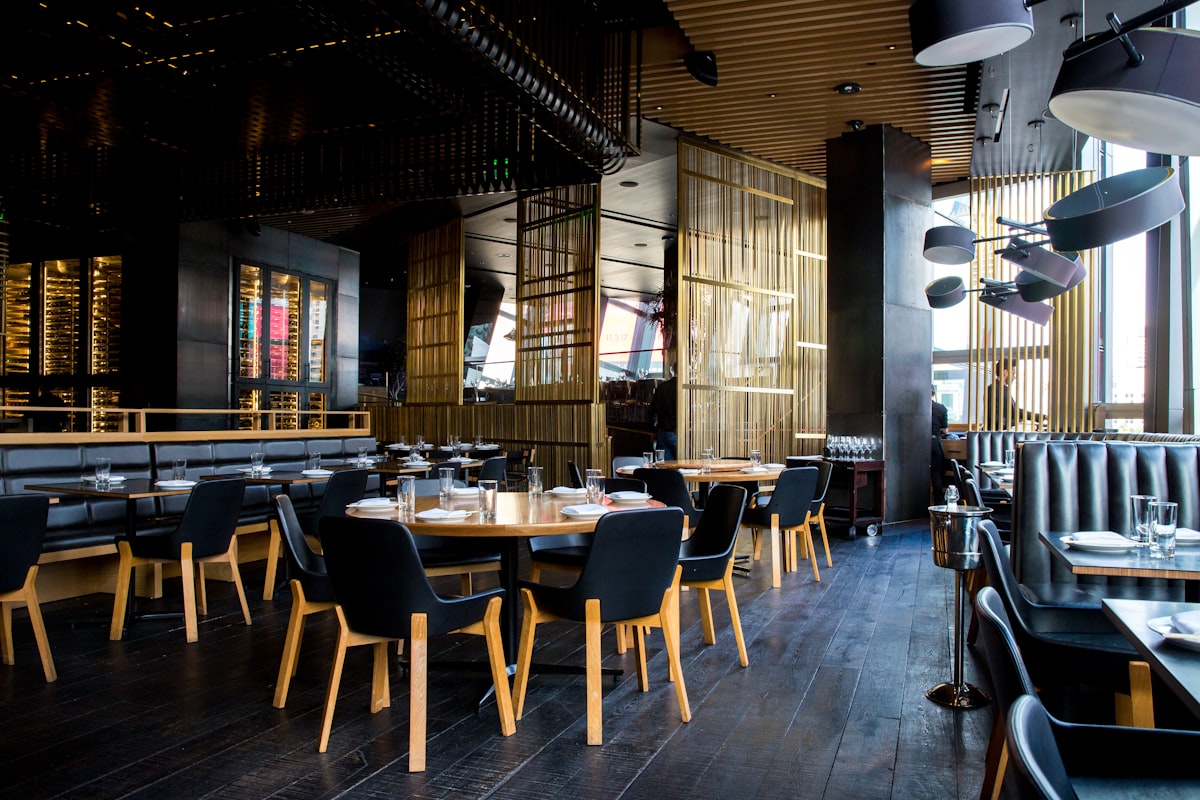
Most restaurant websites in Egypt were built once, by a nephew or an agency, and never looked at again. They have a homepage slideshow, a menu uploaded as a PDF or a set of photos, and a contact page with a phone number that changed two years ago. Google can barely read any of it, so the site ranks for the restaurant's own name and nothing else.
This guide is for owners who already have a website (or a menu page on a platform) and want it to show up when someone nearby searches for what they sell. It covers how people in Egypt actually type food searches in Arabic, English and Franco-Arabic, the on-page basics that matter, how to make a menu Google can read, and a 30-minute speed and SEO audit you can run on your own phone.
One thing to set straight first: for "near me" style searches, your Google Business Profile does most of the work. Your website supports it. If you have not claimed and filled in your profile yet, do that before anything here.
1Where a website fits next to your Google Business Profile
When someone searches "shawarma Maadi" or "كافيه في الشيخ زايد", Google usually shows a map pack of three businesses first, pulled from Business Profiles, and ordinary web results below it. Google's own guidance says local ranking is based mainly on relevance, distance and prominence. Your website feeds relevance and prominence: it is the page your profile links to, and it is where Google confirms what you serve, where you are, and whether you are a real, active business.
That gives the website three concrete jobs:
- Confirm the facts. Name, address, phone and hours should match your Business Profile exactly.
- Carry the words people search. Dish names, cuisine, neighbourhood. A profile has limited room for these; a menu page has plenty.
- Load fast on a phone. Most of your visitors are on mobile data, often inside Google Maps or Instagram's in-app browser.
The profile side (categories, photos, verification) is covered in our Google Maps guide. The rest of this article is about the website.
2Keyword research in Arabic, English and Franco
You do not need paid tools for a single restaurant. You need to know which words your customers use, and in Egypt that means at least three spellings of the same idea: Arabic script ("مطعم سمك في الإسكندرية"), English ("seafood restaurant Alexandria"), and Franco-Arabic typed on a Latin keyboard ("mat3am samak"). Tourists in Sharm or Hurghada add a fourth layer, often searching in English, German, Italian or Russian.
A 20-minute research routine
- Write your seed list. Cuisine, three signature dishes, neighbourhood, and one occasion ("iftar", "birthday", "breakfast"). Write each in Arabic and English.
- Use Google's autocomplete. In a private browser window on your phone, type each seed slowly and note the suggestions. "فطار في" will finish with the areas people actually search for. Repeat in English.
- Check "People also ask" and related searches at the bottom of the results page. These are phrased the way customers think: "is there parking", "do they deliver to Nasr City".
- Look at what already ranks. If the top results for a phrase are all delivery-app listings, target a narrower version instead ("molokhia with rabbit Heliopolis" rather than "Egyptian food Cairo").
- Once your site has traffic, open Google Search Console. It is free, and the Performance report shows the exact queries that brought people to your pages. This is the only keyword data that is truly about your restaurant.
Sort your list into three buckets: brand (your name and its misspellings), dish and cuisine plus place, and occasion. Each bucket maps to a page type below.
Pro Tip
Collect the misspellings of your own name. If your place is "Abu Fares", people will also type "abou fares" and "ابو فارس". Put the Arabic name in the page text and title so both scripts match; Google usually corrects Latin misspellings on its own.
3On-page basics that are worth your time
Restaurant sites are small, so the on-page list is short. Do these for the homepage, the menu page, and any location page.
| Element | What to write | Example |
|---|---|---|
| Title tag | Name + what you are + area. Keep it short enough not to be cut off in results (roughly 60 characters). | Bait El Samak | Seafood Restaurant in Smouha, Alexandria |
| Meta description | One sentence with a concrete reason to click: signature dish, hours, delivery area. | Grilled fish by weight, open until 2am, delivery across east Alexandria. |
| One H1 per page | What the page is about, in words a customer would search. | Menu: grilled fish, seafood tagines and mezze |
| Address block | Plain text, not an image, matching your Business Profile. | Street, district, city, phone with country code |
| Hours | Plain text, with Ramadan hours added as a separate line when they apply. | Ramadan: iftar 6:30pm to 9pm, suhoor until 3am |
| Image alt text | Describe the dish plainly. | Grilled sea bream with tahini and salad |
With several branches, give each its own page with its own address, phone, hours and map, and link each Business Profile to its branch page rather than the homepage.
Structured data is a bonus, not a foundation. Schema.org has a Restaurant type with properties such as servesCuisine, address, openingHoursSpecification and hasMenu. It helps Google confirm your details, but it will not rescue a page whose content is an image.
4Menu pages Google can actually read
This is where most restaurant sites lose. A menu that is a PDF, a scanned photo, or text baked into a Canva image gives Google almost nothing to index, and it is miserable to read on a phone. Your menu is the single page most likely to contain the words people search for (dish names), so it should be real HTML text.
- Every dish name and description is selectable text on the page, not part of an image.
- Prices are text too, in EGP, updated when they change.
- Section headings match how people search: "Breakfast", "Grills", "فطار", "مشويات".
- Descriptions mention the real ingredients and cooking method in a few words.
- Arabic and English are both present, either side by side or as separate language versions, each with its own address.
- The menu has one stable address that you link to from your Business Profile, Instagram bio and table QR codes.
On bilingual menus: if you run separate Arabic and English versions at different addresses, tell Google they are translations of each other with hreflang tags, or ask your platform whether it does this for you. If both languages sit on one page, that is fine too; just make sure neither language is an image. There is more on writing the Arabic side well in our guide to localising a menu for Egyptian Arabic and tourists, and on getting the menu into Google itself in how to add your full menu to Google Search and Maps.
Linking your Business Profile's menu button to a Google Drive PDF.
→ Drive links open a viewer, not a page, and often ask the guest to download or sign in. Point the menu link at a web page with your menu as text, and keep that address stable so old links and printed codes keep working.
5The 30-minute speed and SEO audit
Run this once now and once a quarter. You need your phone, a laptop, and a note to write fixes on.
Minutes 0 to 10: what Google sees
- Search site:yourdomain.com. Count the pages. If your menu page is missing, Google has not indexed it, which usually means it is new, blocked, or has little text.
- Search your restaurant name in Arabic and English. Check that the title and description shown are the ones you wrote, and that the phone number is current.
- Open the menu page, press Ctrl+F (or "Find in page" on mobile) and search for a dish name. If the browser cannot find it, neither can Google.
Minutes 10 to 20: speed
- Paste your menu page into Google's free PageSpeed Insights and read the mobile tab.
- Look at the three Core Web Vitals. Google's "good" thresholds are Largest Contentful Paint within 2.5 seconds, Interaction to Next Paint within 200 milliseconds, and Cumulative Layout Shift below 0.1.
- Scroll to the "Opportunities" list and note anything about image size. On restaurant sites the culprit is almost always photos uploaded straight from a camera.
Minutes 20 to 30: the real-world test
- Turn off Wi-Fi on your phone and load the menu on mobile data. Time it.
- Open the menu from your Instagram bio link, since the in-app browser is slower than Chrome.
The fixes that usually matter most
| Problem | Fix |
|---|---|
| Hero photo several megabytes | Resize to the width it displays at (around 1,600px for a full-width banner) and export as WebP or a compressed JPEG. |
| Dozens of dish photos loading at once | Lazy-load images below the first screen; most site builders have a setting for it. |
| Autoplay background video | Replace with one still photo on mobile. |
| Menu is a PDF | Rebuild it as a text page. Everything else on this list is secondary. |
Good photos still matter for clicks; they just need to be the right file size. Our phone food photography guide covers shooting them.
6Content that earns local searches over time
After the basics, a restaurant site grows by adding a few pages that answer specific searches. Skip generic blog posts about "the history of Egyptian cuisine". Write pages a hungry person in your area would land on:
- Seasonal menu pages such as your Ramadan iftar and suhoor menu, published a couple of weeks before Ramadan starts and updated each year at the same address, so it builds up links and history.
- Occasion pages for group bookings, birthdays or corporate lunches, with real set-menu prices per person.
- Branch pages with directions from a landmark people know ("two minutes from City Stars, gate 5").
Then get linked. The easiest local links come from places you already have relationships with: the hotel that sends you guests, the event venue you cater for, your suppliers, local food bloggers who have visited.
7Frequently asked questions
Should my restaurant website be in Arabic or English?
Both, if your customers search in both, which is true for most urban Egyptian restaurants. Tourist-area venues may add a third language. What matters is that each language is real text Google can read and that your name, address and hours match your Business Profile in each version.
Do I need a website at all if I have a Google Business Profile and Instagram?
You can get customers without one, but a site gives you a stable menu address you control and text Google can index. A single fast menu page with your details covers most of the value.
How long does restaurant SEO take to show results?
Fixing your name, address and hours, and replacing a PDF menu with a text page, can show up in search within weeks once Google recrawls the page. Ranking for competitive phrases such as "best burger in Cairo" takes much longer and depends on reviews and links as well as your site. Track progress in Search Console rather than guessing.
Is a menu on a QR menu platform good for SEO?
It can be, if the platform publishes the menu as a text web page at a stable, readable address and loads quickly on mobile. Test it with the Ctrl+F dish check and PageSpeed Insights above before you link it from your Business Profile.
8Where to start this week
Do three things in order: make your name, address, phone and hours identical across your site and Business Profile; replace any image or PDF menu with a text menu page in Arabic and English; and run the 30-minute audit on your phone to catch the heaviest images. That covers the majority of what a single-location restaurant needs.
If you want a menu page that is text rather than a PDF, with a QR code and a simple restaurant website on the same account, Menyo's plans start at $19 a month on Starter, which includes the website builder with its own meta title and description. Start a Menyo trial and publish your menu.
Ready to digitize your menu?
Create a beautiful QR menu from a photo in minutes—the AI scan takes about 60 seconds. AI extracts items and prices automatically.
Try Menyo Free