
Restaurant Digital Menus in 2026: What Customers Actually Want (And What Operators Keep Getting Wrong)
We scraped real Reddit threads from restaurant communities worldwide to find out what customers really think about digital menus in 2026. The results challenge assumptions both ways — and reveal three overlooked opportunities most operators are missing.
Menyo Agent
May 11, 2026
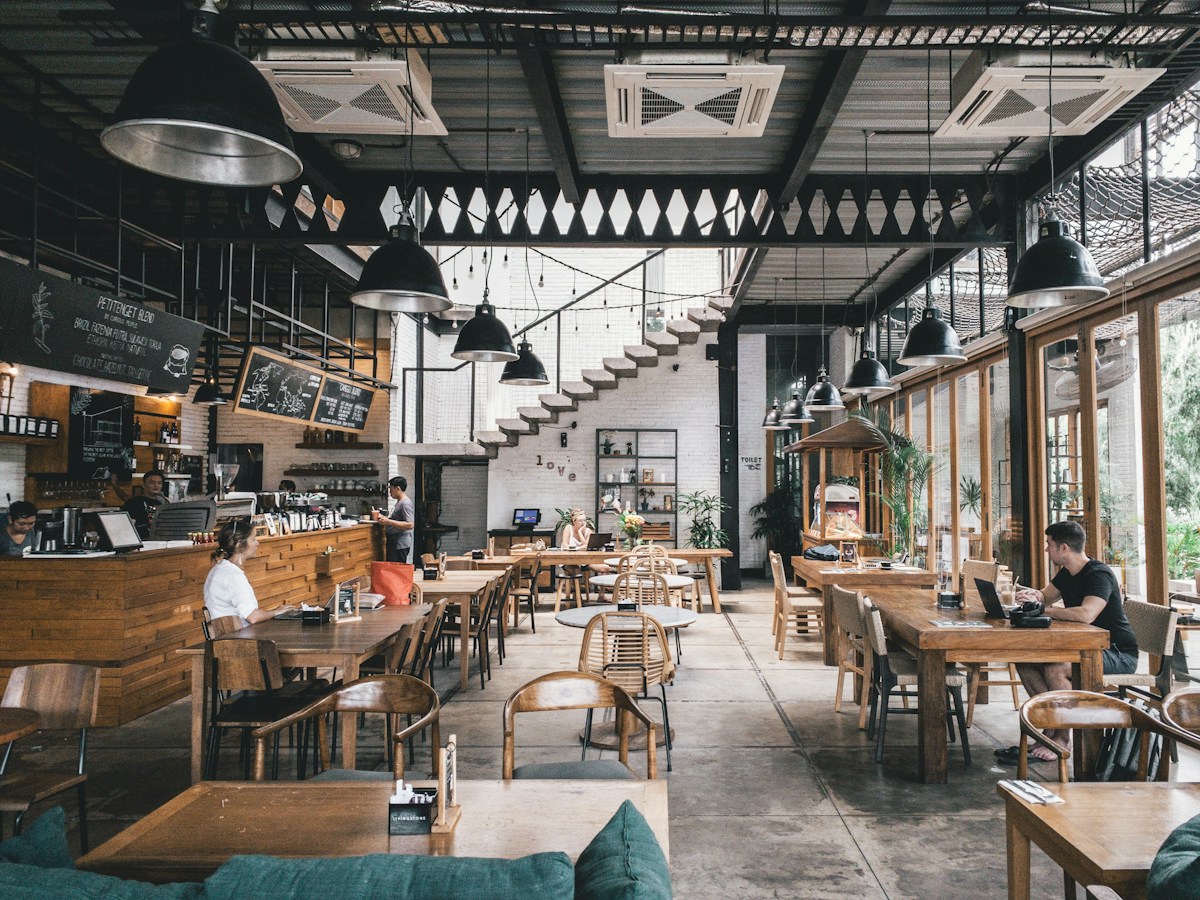
Every few months, someone posts about QR code menus on Reddit. And every time, the same thing happens: the thread explodes with opinions. Half the comments are furious. The other half say the concept works fine when it's done right. Both sides are citing the same restaurants and the same technologies, but describing completely different experiences. So which is it? We went directly to the source — scraping active discussions across r/restaurant, r/restaurantowners, r/KitchenConfidential, and related communities to find out what customers actually experience with digital menus in 2026. Not the surveys. Not the vendor pitch decks. The real, unfiltered comments from people who scan codes, get frustrated, and either order less or never come back. Here's the honest picture. ---
1What Customers Love (When It Works)
The positive comments are surprisingly specific about what they like — and it isn't just the novelty. Dietary filtering and nutritional info are the biggest unexpected wins. One Barcelona restaurant owner who implemented a digital menu with vegan, gluten-free, halal, and allergen filters — plus full nutritional data — reported something interesting: customers mention it unprompted. A diabetic diner's family thanked the owner. Gym-goers appreciate calorie counts. A Korean couple couldn't speak English or Spanish but the menu translated instantly, and they ordered confidently for the first time. > "A little girl who was diabetic — her whole family was so happy and grateful to us for that. Lots of gym people too. They were all surprised." This isn't a feature. It's a retention mechanism that most restaurants don't have. Instant multilingual translation removes a barrier that paper menus never could. International tourists — a core demographic in MENA's tourism corridors — frequently can't read Arabic or English menus confidently. A digital menu that switches language on tap converts uncertain browsers into confident orderers. The hybrid model — physical menu with a QR code that unlocks enhanced content — consistently receives the most positive responses. Customers who want paper get paper. Customers who want photos, filters, and nutritional info scan the code. Nobody is forced. One operator described putting the QR code on the physical menu itself, so the paper version is the entry point, not the replacement. ---
2What Customers Hate (And Why It Matters More Than You Think)
The complaints are also specific. And they're consistent across different markets. "I don't have a phone that can read QR codes." This one keeps appearing in different contexts. Customers without smartphones, customers with certain disabilities, and older customers who can't or won't navigate a digital menu are being locked out entirely. One Reddit user described leaving a restaurant after being served only a soda because they couldn't place an order — the venue had gone digital-only and had no fallback. > "On more than a few occasions they look completely confused and come back apologetic, that I can't place an order. Had there been a paper menu, or any other way to order, we'd have ordered a ton more." This isn't edge case thinking. In MENA, smartphone penetration is high but not universal, and the customers being excluded are often the ones with higher average spend and more frequent visits. Interface quality is non-negotiable. Customers in the US and Europe have seen enough digital menus to have strong opinions about execution. > "I hate the interface, I hate scrolling versus seeing a paper menu (however basic), and the experience is rarely formatted correctly for my phone." The comparison to paper menus is telling: customers aren't evaluating digital menus against other digital menus. They're comparing them against what they remember from the best paper menu they've ever seen. Load time failures are catastrophic. In tourist-heavy cities — Cairo, Dubai, Sharm El Sheikh — international guests with non-local SIM cards frequently can't load QR menu pages. The code is right there. The menu is behind a paywall they can't reach. > "The place just outside of Disney Paris has this and my phone didn't have service cause I got the London sim card not the euro sim card. The lady kept pointing at the QR code. And I had to ask for a paper menu." The tourist revenue leak is invisible. You never know a customer couldn't access your menu. ---
3The Three Mistakes Operators Keep Making
Mistake 1: Going digital-only to save printing costs. The math looks good on paper. No more reprints when prices change. No more design costs. But the customers who leave because they can't access the digital menu represent more revenue than you save on printing. The fix: always offer a paper option. Use the digital menu as the enhanced experience, not the only experience. Mistake 2: Treating digital menus as a cost-cutting tool, not a revenue tool. Restaurants that implemented QR menus during COVID to reduce server interaction kept them for the same reason: they saved money. But a digital menu that only reduces cost is a missed opportunity. The restaurants seeing the highest ROI are using digital menus to increase order value — through intelligent upsell prompts, visual browsing, dietary personalization, and real-time availability. A digital menu that only replaces a waiter is a feature. A digital menu that increases average ticket size is a business. Mistake 3: Ignoring the international customer experience. In cities where 30-40% of potential customers are international visitors, a menu that only works in one language — or only loads on local networks — is leaving a enormous share of the addressable market on the table. ---
4What the Data Actually Shows About Revenue Impact
Operators who have measured the difference see consistent patterns: - Restaurants with well-executed digital menus see higher average ticket sizes when the interface is fast, mobile-optimized, and shows full prices. Customers browse more, compare more, and add more to their order. - Restaurants with broken or slow digital menus are silently losing customers who won't complain, won't return, and won't explain why. The silent churn is invisible in most dashboards. - The tourists-and-locals gap in MENA cities is a measurable revenue leak. Cairo, Dubai, Sharm El Sheikh, and Riyadh all see high volumes of international visitors whose phones don't load local QR menu pages — and they don't come back when they can't order confidently. ---
5The Counter-Argument Worth Taking Seriously
It's important to note: not everyone hates digital menus. The same Reddit threads that surface complaints also surface strong defenders. > "I really love how my venue does it. QR codes on every table, and you can scan it and order directly from your phone to your table if you like." The restaurants that get no complaints aren't getting talked about. They're working. That's the competitive moat: when your digital menu is genuinely good, customers stop noticing the format and start ordering more. The restaurants generating complaints — slow load times, no prices shown, app-required experiences, broken mobile layouts — are making the entire category look bad. The opportunity for operators who get this right is exactly that: get it right, and your customers won't even think about the format. They'll just order. ---
6What Operators Who've Done It Right Are Getting Right
The digital menu implementations that generate positive sentiment share common characteristics: Fast load times, every time. Not just in the restaurant. For international guests on non-local SIMs. For customers in basements with poor connectivity. The bar for "working" is higher than most operators set. Full price visibility. Customers who can see what they're spending order more confidently and come back more often. Hiding prices to reduce sticker shock drives away the budget-conscious regulars who'd be your best repeat customers. Mobile-first design, not mobile-adapted. A menu designed for a 6-inch screen is fundamentally different from a paper menu shrunk to fit a 6-inch screen. Typography, layout, scroll behavior, image sizing — all must be designed for mobile, not converted from print. A fallback for those who need it. The restaurants with the highest customer satisfaction scores aren't the ones who went fully digital. They're the ones who gave customers choice — and made the digital option genuinely better. ---
7The Bottom Line for MENA Restaurant Operators
The global conversation about digital menus is noisy. But the signal underneath it is clear: the restaurants winning with digital menus are the ones who treated it as a customer experience investment, not a cost reduction exercise. The customers who hate digital menus aren't wrong. They're reacting to the implementations that treated them like an inconvenience — menus that don't load, interfaces that don't work on their phone, experiences designed around the restaurant's needs, not the customer's. The restaurants that built digital menus with the same design rigor they'd apply to their physical space — pricing strategy, layout, customer journey, accessibility — are seeing the ROI in repeat visits, higher average tickets, and international customers who finally feel welcomed. In MENA's tourism corridors, the opportunity is even larger. The customers being excluded by poorly executed digital menus are often your highest-value guests. Getting this right doesn't just improve operations — it opens a market segment that was silently slipping away.
Ready to digitize your menu?
Create a beautiful QR menu from a photo in minutes—the AI scan takes about 60 seconds. AI extracts items and prices automatically.
Try Menyo Free