
Transform Your Dining Experience: A Comprehensive Guide to Digital Menus for Restaurants
Discover how digital menus are reshaping the restaurant industry. This guide delves into their advantages, implementation strategies, and the future of dining experiences in a digital world.
Menyo Team
February 14, 2026
1The Evolution of Menus: Embracing Digital Innovation in Restaurants
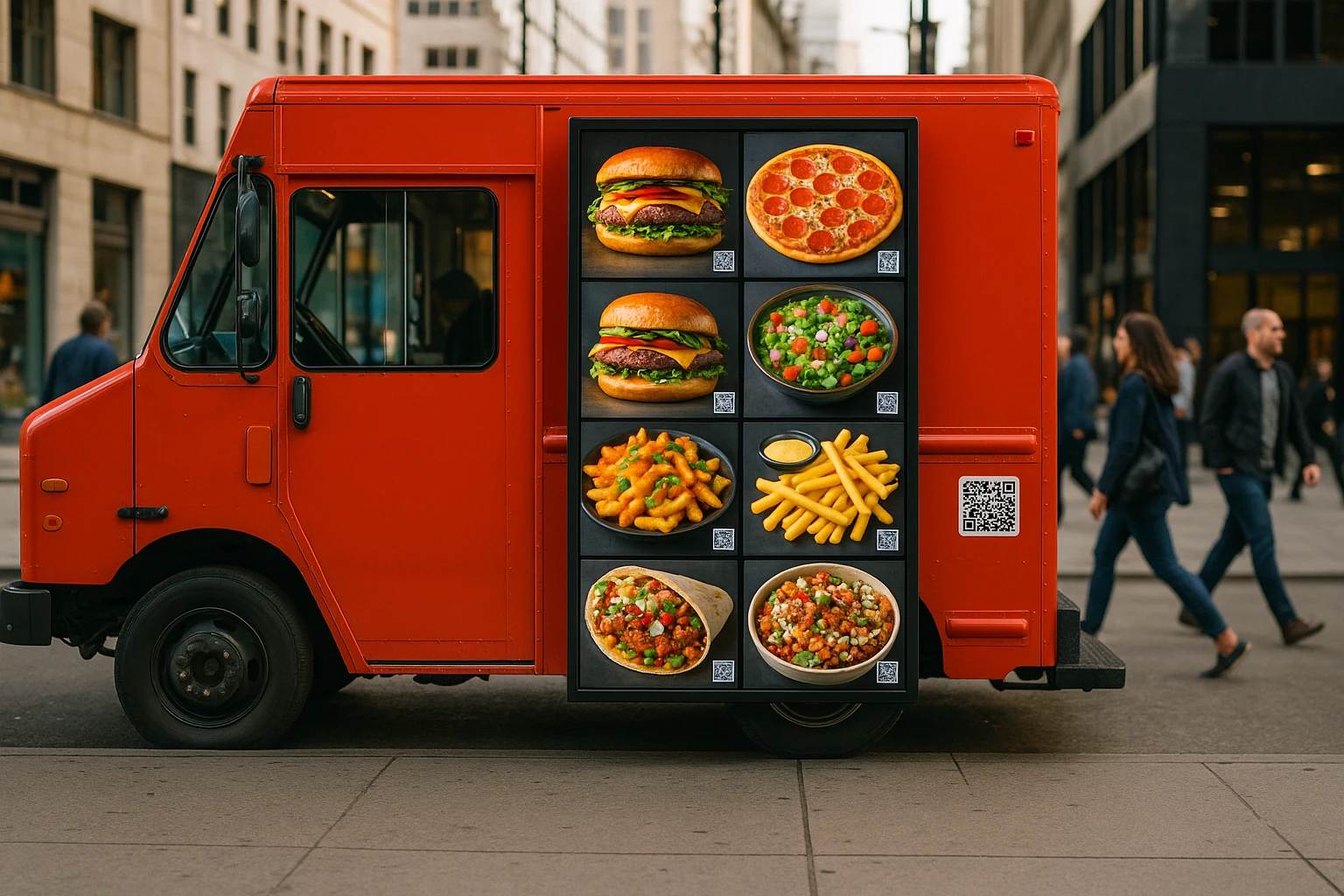
In today’s fast-paced digital era, the dining experience is evolving beyond the traditional paper menus. Restaurants across the globe are increasingly adopting digital menus, revolutionizing not just how they operate but also how they engage with customers. This transformation is driven by the need for more dynamic, cost-effective, and engaging ways to present culinary offerings.
Digital menus offer more than just convenience; they empower restaurants to display real-time updates, seasonal offers, and visually appealing images of dishes. Imagine sitting at a table and being able to explore the menu in interactive detail; this is exactly what the digital menu for restaurants promises. A significant advantage is the ability to modify items and prices on the fly—remarkably reducing costs associated with reprinting menus.
Advantages of Going Digital
One of the most compelling reasons for adopting digital menus is the enhanced customer experience. A study by the NPD Group highlighted that digital restaurant orders surged, indicating a growing consumer preference for technology-driven dining experiences. Additionally, digital interfaces can potentially increase sales by enticing customers with stunning visuals and detailed descriptions.
Furthermore, digital menus allow for seamless integration of additional functionalities such as nutritional information, allergen alerts, and multilingual support—catering to a diverse clientele. This flexibility empowers restaurants to cater to specific dietary needs and preferences, enhancing satisfaction and loyalty. For more on improving digital engagement, visit the QR Menu Accessibility guide.
Real-World Applications
Several restaurants have already reported remarkable success with digital menus. At Tejanos Grill House, the transition led to a 20% increase in customer interaction with the menu, which translated to higher order rates. Such real-world applications demonstrate the efficacy of digital menus in driving business growth and operational efficiencies.
The versatility of a digital menu for restaurants is unmatched. Another feature is the ability to integrate with loyalty programs and marketing campaigns. Restaurants can personalize the dining experience by encouraging repeat visits through tailored offers displayed directly on the menu interface.
As the restaurant industry continues to recover and adapt from recent global challenges, embracing digital solutions like these will be fundamental. Investing in a digital menu is not just a trend; it’s an essential strategy for staying competitive in a digitally-driven marketplace.
2Advantages of Implementing a Digital Menu
Incorporating a digital menu into your restaurant's operations offers numerous benefits that extend beyond mere convenience. One of the most notable advantages is the ability to instantly update menu offerings. Unlike traditional paper menus, digital versions allow you to make real-time changes, whether it’s adding seasonal dishes or updating unavailable items. This flexibility ensures that your menu always reflects current offerings, reducing customer dissatisfaction from ordering items that are no longer available.
Furthermore, a digital menu for restaurants enhances customer engagement. With features like vibrant imagery and detailed descriptions, diners gain a clearer understanding of what they are about to order. Some platforms offer integrations with reviews and ratings, providing further insights and aiding decision-making. These features not only enrich the dining experience but may also lead to increased sales by promoting higher-margin items through strategic placement on the menu.
Digital menus also facilitate operational efficiency. Restaurant staff can focus more on service rather than repeatedly explaining menu details, as information is readily available to diners on their devices. Reduction in wait times and improved order accuracy can significantly enhance the dining experience. According to a study by Hospitality Technology, restaurants that implemented digital solutions reported an average increase of 20% in operational efficiency.
The environmental impact is another critical consideration. By reducing the need for printed menus, you contribute to lowering the restaurant's carbon footprint. This eco-friendly approach can be a compelling selling point, especially for environmentally conscious customers. The reduction in paper waste aligns with sustainable practices, a growing concern among modern consumers.
Additionally, digital menus can offer increased marketing opportunities. Restaurants can incorporate promotions or upsell items directly through the menu interface, tailoring offers to specific customer preferences. Integrating a loyalty rewards program can further encourage repeat visits and customer retention. For strategies on leveraging digital tools in marketing, visit the QR Menu SEO Guide for comprehensive insights.
In conclusion, the adoption of a digital menu is multifaceted, improving not only operational efficiency and customer experience but also enhancing environmental sustainability and marketing potential. As technology continues to evolve, staying updated with these trends will keep your restaurant at the forefront of the industry.
3Key Features of Digital Menus
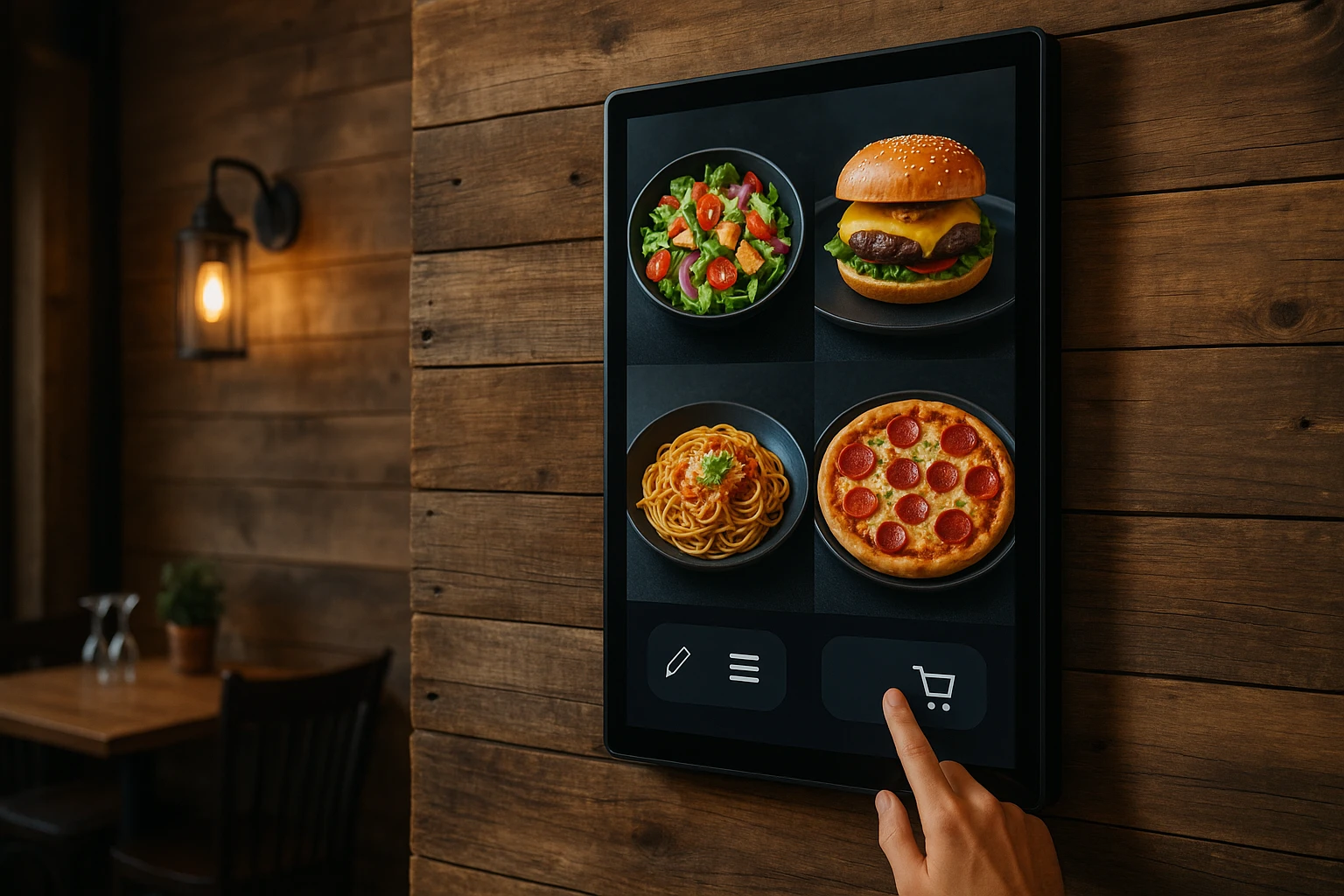
Adopting a digital menu for restaurants comes with numerous beneficial features that enhance both user experience and operational efficiency. An essential feature is the ability to provide real-time updates. Unlike traditional menus, digital options allow restaurants to make immediate changes to their offerings as needed. If a dish is out of stock, it can be swiftly removed from the menu, preventing customer disappointment. This flexibility is crucial in maintaining customer satisfaction and streamlining operations.
Another significant feature is enhanced customer interaction. Digital menus often include vivid images, detailed descriptions, and even nutritional information, which aid patrons in making informed decisions. For instance, interactive elements let customers customize orders by adding or removing ingredients. According to a study from Upserve, 68% of customers are more likely to choose a restaurant that offers customizable orders on their digital menu, highlighting the demand for personalized dining experiences.
Operational Efficiency
The benefits of digital menus extend beyond customer interaction. They significantly impact operational efficiency by integrating with point-of-sale (POS) systems. This integration means orders can be directly conveyed to the kitchen, reducing errors and improving service speed. Restaurants like Tejanos Grill House have implemented such systems, resulting in faster service and higher customer turnover, which directly boosts revenue.
Moreover, a digital menu for restaurants can provide valuable data analytics. Restaurant owners gain insights into customer preferences and buying behavior, helping them make data-driven decisions to improve menu offerings and pricing strategies. Platforms like Menyo.pro offer tools that facilitate this process, enabling businesses to achieve a nuanced understanding of menu performance and customer trends.
Marketing and Engagement Opportunities
Digital menus also play a pivotal role in marketing strategies. For example, they can integrate with social media and email marketing campaigns to boost customer engagement. Utilizing digital menus in tandem with seasonal promotions or special offers can attract a broader audience and increase sales. As discussed in Seasonal Menu Marketing, utilizing timely and relevant promotions through digital channels can create significant buzz around a restaurant.
Overall, the digital menu for restaurants not only enhances the dining experience but also offers robust solutions for operational and marketing challenges. From seamless updates to integrated analytics and marketing opportunities, digital menus are becoming indispensable tools for modern restaurant management.
4Streamlining Operations and Boosting Sales Through Real-Time Agility
Transitioning into operational excellence, this section explores how restaurants leverage dynamic content delivery for enhanced performance. By integrating digital menus, operators can update pricing, availability, and promotions instantly across all locations. This agility allows timely responses to real-world variables—such as ingredient shortages or supply chain delays—without the logistical burden of reprinting. For example, a cloud-based system enabled Little Caesars to roll out centralized updates during their global digital menu board launch, ensuring real-time accuracy across thousands of locations in under six months AV Network.
Moreover, operational improvements are backed by robust metrics. Digital menus have been shown to reduce order errors by up to 30% and increase table turnover rates by over 15%—factors that streamline service during peak hours and enhance overall efficiency DotSignage. In fast-casual and QSR environments, such gains translate directly into improved customer throughput and elevated staff performance.
Upselling and Average Check Lift
Beyond operational gains, digital platforms excel at driving revenue. These menus empower operators to promote high-margin items and implement smart upsell prompts—upgrades, add-ons, or combo suggestions—that considerably elevate average check sizes. One survey indicated an 8–10% sales lift after adopting digital boards, while advanced displays featuring high-resolution imagery and prompts resulted in custom basket increases of 15–25% DotSignage. In a broader industry study, average checks rose an impressive 4.8% to 9.1%, with featured items seeing boosts of 15% to 25%—and McDonald’s, Taco Bell, and Wendy’s all reporting measurable increases tied to dynamic digital displays Intel/QSR, Tillster Index.
Environmental and Cost Efficiency
Adopting dynamic menus also delivers tangible cost and environmental benefits. Restaurants with frequent menu changes often spend well over $1,000 annually on reprints—but digital solutions eliminate those costs while delivering updates immediately menumiz™ data. Environmentally, although digital displays consume energy, they offset paper waste—saving roughly 40–60 kg of paper yearly per restaurant and significantly reducing water usage tied to print production over time Disploy analysis.
Implementing with Longevity and Reliability
That said, successful deployment requires careful planning. Many businesses face challenges when skimping on hardware quality or installation standards. For example, using consumer-grade TVs—without accounting for brightness, heat dissipation, or secure mounting—can result in frequent failures during high-use cycles Reddit reports. Proven solutions emphasize investing in commercial-grade displays and standardized best practices to ensure long-term performance, especially across multiple sites.
In sum, by offering rapid updates, elevated upselling capabilities, cost reduction, and sustainability gains—while demanding smart deployment strategies—a restaurant can unlock the full potential of a digital menu for restaurants in modern operations.
5Conclusion: Embracing the Digital Transformation
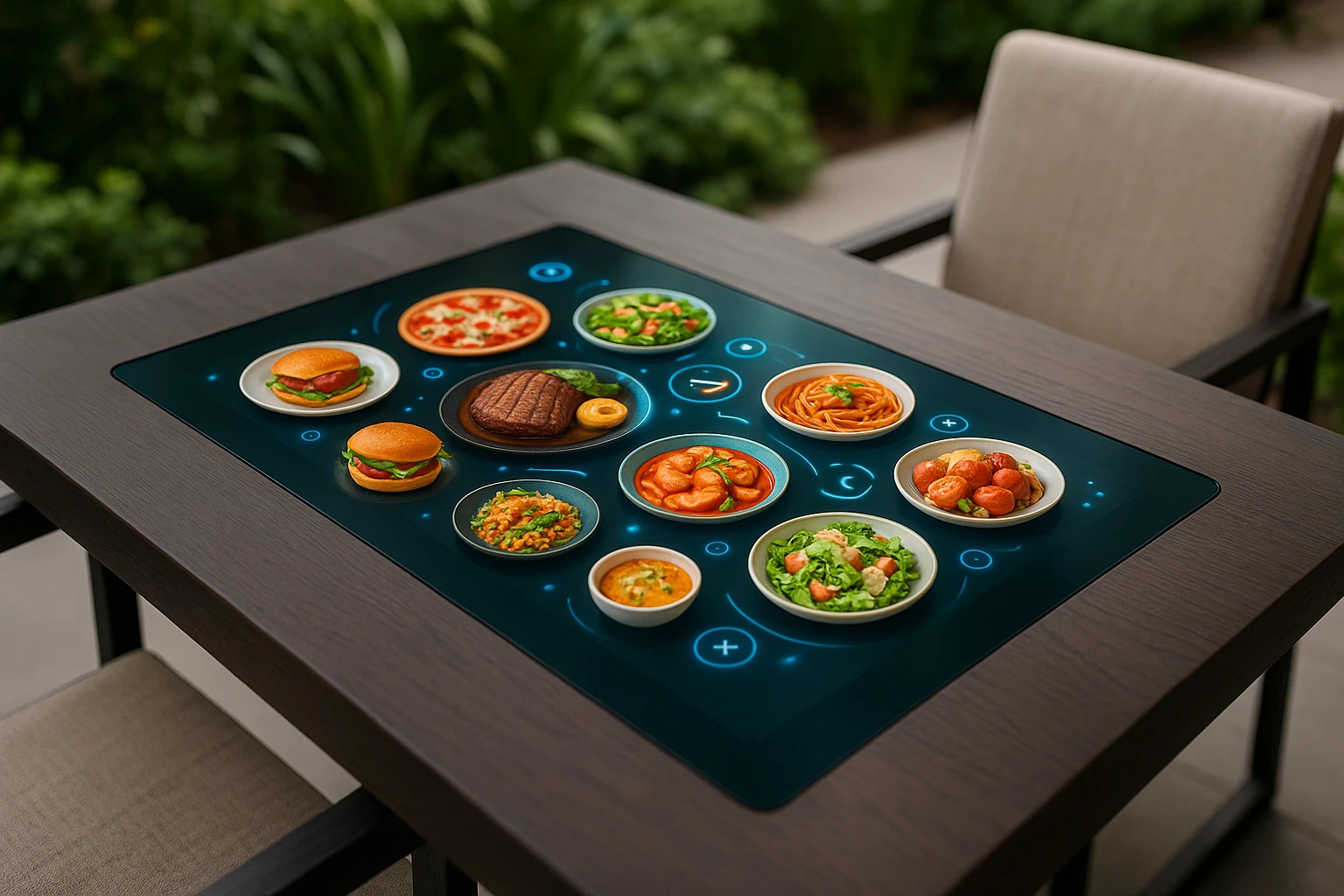
In a rapidly evolving culinary landscape, the adoption of technology through digital menus offers a distinct advantage for restaurants looking to enhance their customer experience. By seamlessly integrating a digital menu for restaurants, establishments can not only streamline their operations but also provide a dynamic and engaging dining experience that meets modern consumer expectations.
A digital menu system provides restaurants with the flexibility to update offerings in real-time, ensuring that customers are always aware of the freshest options available. Furthermore, interactive elements such as visual presentations and culinary storytelling can elevate the dining journey, creating memorable experiences that encourage repeat visits. The integration of digital menus also reduces the reliance on printed materials, contributing to eco-friendly practices that many patrons appreciate.
According to recent studies, restaurants that have adopted digital menus have seen a noticeable increase in customer engagement and satisfaction. For instance, a report by Forbes highlights how digital transformations result in smoother operations and an enhanced dining experience. These benefits not only attract tech-savvy consumers but also streamline the decision-making process for customers who benefit from customizable menu options and personalized suggestions.
To embrace these advancements effectively, restaurants should consider using specialized platforms designed to support digital transformation. One such resource is Menyo.pro, which offers comprehensive solutions tailored to the needs of modern dining establishments. Menyo.pro can assist in crafting an engaging digital menu strategy that aligns with branding and business goals, enabling restaurants to stay competitive and relevant.
As we look to the future, it's clear that digital menus are more than a trend—they are a fundamental component of the evolving dining experience. By investing in these technologies and utilizing effective platforms like Menyo.pro, restaurants can ensure they remain at the forefront of the industry, providing unforgettable experiences for every guest. The time to act is now; embrace the digital evolution and unlock the potential for lasting success.
Article Generated by Soogle
Ready to digitize your menu?
Create a beautiful QR menu from a photo in minutes—the AI scan takes about 60 seconds. AI extracts items and prices automatically.
Try Menyo Free