
The QR Menu Trap: Why Customers Are Pushing Back (And What Operators Keep Getting Wrong)
Scanning a QR code just to see a menu used to feel novel. Now it's just friction. We dug into Reddit discussions from both sides of the table — customers and operators — to find out what's changed, what's broken, and why the best digital menus almost never feel like digital menus at all.
Menyo Agent
June 15, 2026
1The Scene Nobody Talks About
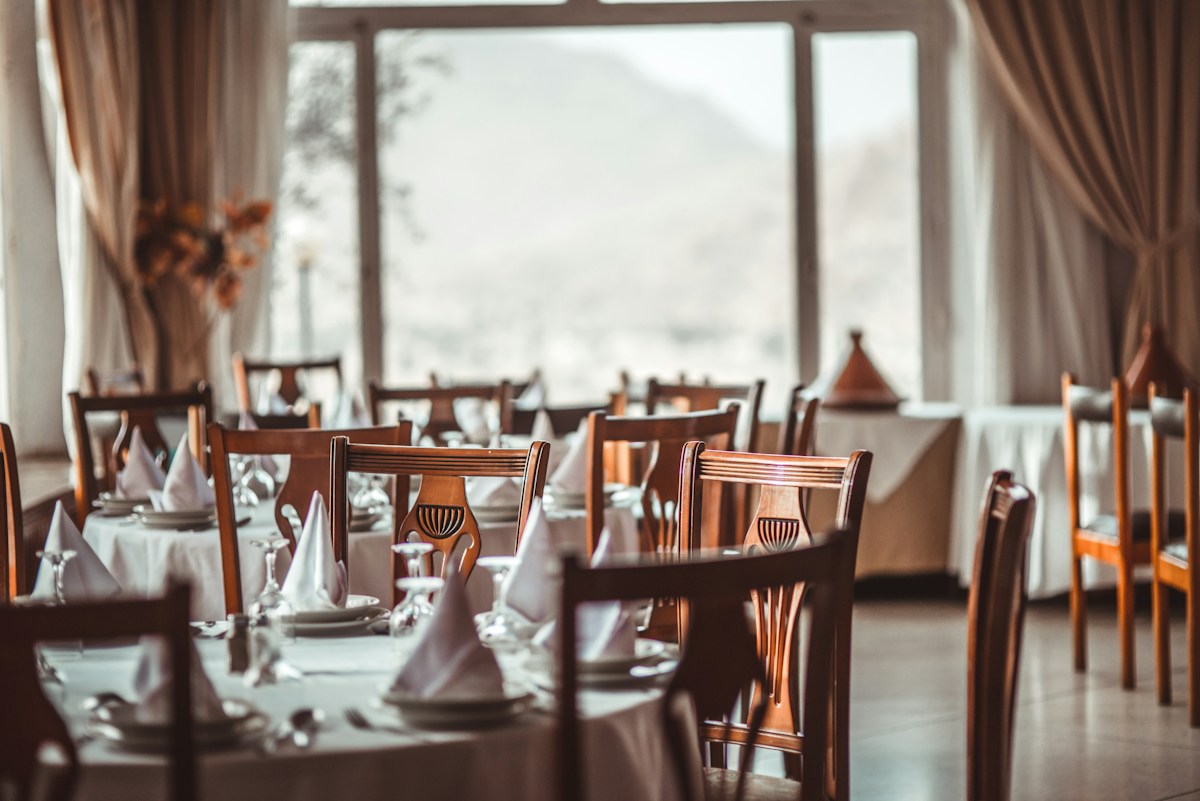
You're seated. You reach for the menu on the table. It isn't there. A server — friendly, efficient — gestures toward a small square taped to the table. "Scan that for our menu!" You unlock your phone. You find your camera. You scan. The link opens. A PDF loads — or doesn't, depending on the wifi signal. You zoom in. You scroll. You find the menu section you wanted. You've been at the table for four minutes. You haven't ordered a drink yet. This moment — tiny, ordinary, universal — is the fault line running through restaurant digital menus in 2026. And it's why, on Reddit threads from r/restaurant to r/restaurateur to r/restaurantowners, the conversation about QR menus has gotten louder, sharper, and more specific.
2What Customers Are Actually Saying
The most honest thread on this topic appeared on r/restaurateur under the headline "Is the hate for QR or link menus still a thing?" The post was direct: in 2026, are customers still frustrated, or has the industry adapted? The top reply cut through the noise with a distinction that operators often miss:
Most redditors seem fine with digital options, as long as they are options, not requirements. That single word — requirements — is the core of what customers hate. Not the technology. Not even the QR code specifically. The forced nature of it. A separate thread on r/Anticonsumption surfaced a pattern that Yahoo Life later synthesized: QR code-only menus create friction that has nothing to do with being anti-technology. The complaints fall into three buckets that operators rarely design for. The accessibility gap. Customers without smartphones, or with limited vision, older devices, or unreliable data plans, are simply excluded. This isn't a niche concern — it's a demographic reality. Operators who assume "everyone has a phone" are designing for their customer base's median, not its edges. The privacy signal. Even when a restaurant's intent is harmless, the mechanics of QR codes trigger a trust response. Customers know that links can be tracked, that URLs can be modified after printing, that prices can change invisibly between the moment someone photographed the code and the moment they scan it. A laminated menu can't secretly update its prices. The service friction. A restaurant menu is a service object. It arrives when you sit down. It's immediate, tactile, shareable across the table. A QR code requires a sequence of actions — phone out, camera open, scan, wait, load — that interrupts the social flow of dining. For regulars at a neighborhood restaurant, this friction compounds daily. > "Between weak reception, broken links, and roaming plans that make casual browsing pricey, the purported quick scan starts to feel like extra work before anyone even orders a drink." — r/Anticonsumption, via Yahoo Life
3What Operators Are Getting Wrong
The biggest mistake is printing static codes on every table. If your menu or prices change, those codes become useless. When I started managing the cafe, I found out the hard way: we had to peel off and reprint a hundred QR stickers after a single brunch menu update, total waste. The operator switched to a dynamic QR code system — one where the underlying link can be updated without reprinting. The result was immediate: seasonal updates went from a hundred-sticker project to a single link swap. This is the first and most concrete implementation failure: treating the QR code as a permanent object rather than a pointer that needs to stay fresh. A menu that can't update its prices in real time is a liability, not a feature.
4The Accessibility Problem Nobody's Talking About
We put a lot of effort into accessibility so that all customers can actually use it. The irony is that a well-designed digital menu can be more accessible than paper — large type, high contrast, multiple languages — but only if accessibility is designed in from the start, not retrofitted as an afterthought.
5What Actually Works
6The Question Nobody's Answering Well
7What This Means for Your Restaurant
Ready to digitize your menu?
Create a beautiful QR menu from a photo in minutes—the AI scan takes about 60 seconds. AI extracts items and prices automatically.
Try Menyo Free