How to Implement a Digital Menu for Your Restaurant: A Comprehensive Guide
Discover the essential steps to implement a digital menu in your restaurant. This guide covers everything from choosing the right software to designing an engaging menu layout. Elevate your dining experience and streamline operations with our expert insights.
In the rapidly evolving landscape of the hospitality industry, technology continues to revolutionize the dining experience. Among these advancements, the introduction of digital menus for restaurants stands out as a significant game-changer. With restaurants seeking innovative ways to enhance customer engagement and streamline operations, digital menus have emerged as a vital tool, offering a myriad of benefits for both diners and restaurant owners.
Digital menus, often accessed via QR codes or interactive tablets, provide a dynamic and engaging way to present menu items. They not only showcase dishes with vivid images and detailed descriptions but also enable real-time updates regarding availability and pricing. This flexibility eliminates the need for costly reprints and allows restaurants to respond swiftly to changes in supply or seasonal offerings. According to a report by The National Restaurant Association, 54% of diners say that technology increases convenience and makes their dining experience more enjoyable.
Beyond the operational advantages, digital menus offer a more personalized experience for customers. By integrating preferences and viewing histories, restaurants can tailor suggestions, creating a more customized dining journey. This personalization fosters greater customer satisfaction and loyalty, driving repeat business. Furthermore, digital menus can be a powerful marketing tool. Incorporating analytics allows restaurants to track popular items, thereby enabling data-driven decisions to optimize the menu for higher profitability. For detailed strategies, explore our comprehensive guide on QR Codes Best Practices.
The implementation of digital menus also aligns with growing consumer preferences for contactless interactions, a trend that has been accelerated by the COVID-19 pandemic. Touch-free options not only adhere to health guidelines but also cater to tech-savvy customers who appreciate innovative solutions. A survey by Eater indicates that 73% of consumers believe that digital menus improve their overall dining experience by reducing wait times and increasing menu variety transparency.
As restaurants navigate an increasingly competitive market, embracing technology like digital menus can provide a significant edge. With the capability to enhance operational efficiency and customer satisfaction simultaneously, digital menus are becoming an essential component of modern restaurant service. Whether you are a bustling urban café or a quaint rural diner, the integration of digital menus offers a transformative opportunity to enhance both the customer journey and business operations.
2Benefits of Digital Menus for Restaurants
In today's digital era, embracing technology can significantly streamline restaurant operations while enhancing the dining experience. Digital menus for restaurants offer a myriad of benefits, including improved accuracy, efficiency, and customer engagement. With real-time updates, restaurants can easily adjust their menu offerings to reflect availability and seasonal changes, thereby reducing customer dissatisfaction and food waste.
Enhancing Customer Experience
A key advantage of digital menus is their ability to provide an immersive customer experience. Interactive content, such as vibrant images and detailed descriptions, can help diners make informed choices. This is especially important in establishments like Tejanos Grill House, which uses digital menus to showcase their diverse offerings, resulting in increased sales and customer satisfaction. Customization options, such as dietary filters or pairing suggestions, further enhance the dining experience and cater to diverse customer needs.
Streamlining Operations
Implementing a digital menu system can vastly improve operational efficiency. With instant access to menu updates, kitchen staff can better manage inventory and minimize order errors, allowing for a more seamless service flow. According to a study by Nation’s Restaurant News, restaurants using digital systems experience a significant reduction in the time spent on inventory management and ordering processes, freeing up resources for other critical tasks.
Leveraging Data for Better Decisions
An often-overlooked benefit of digital menus is the data they provide. By analyzing customer preferences and order patterns, restaurants can make informed decisions to optimize their offerings. This data-driven approach supports strategic planning, as highlighted in our Menu Engineering AI guide. The ability to track popular items and customer demographics allows restaurants to tailor their menu for maximum appeal and profitability.
Overall, the integration of digital menus is not just a trend but a strategic investment for restaurants of all sizes. Whether it’s through enhancing customer satisfaction with visually appealing content or improving operational workflow, the impact of digital menus is both wide-reaching and profound, solidifying their place as a cornerstone of modern dining experiences.
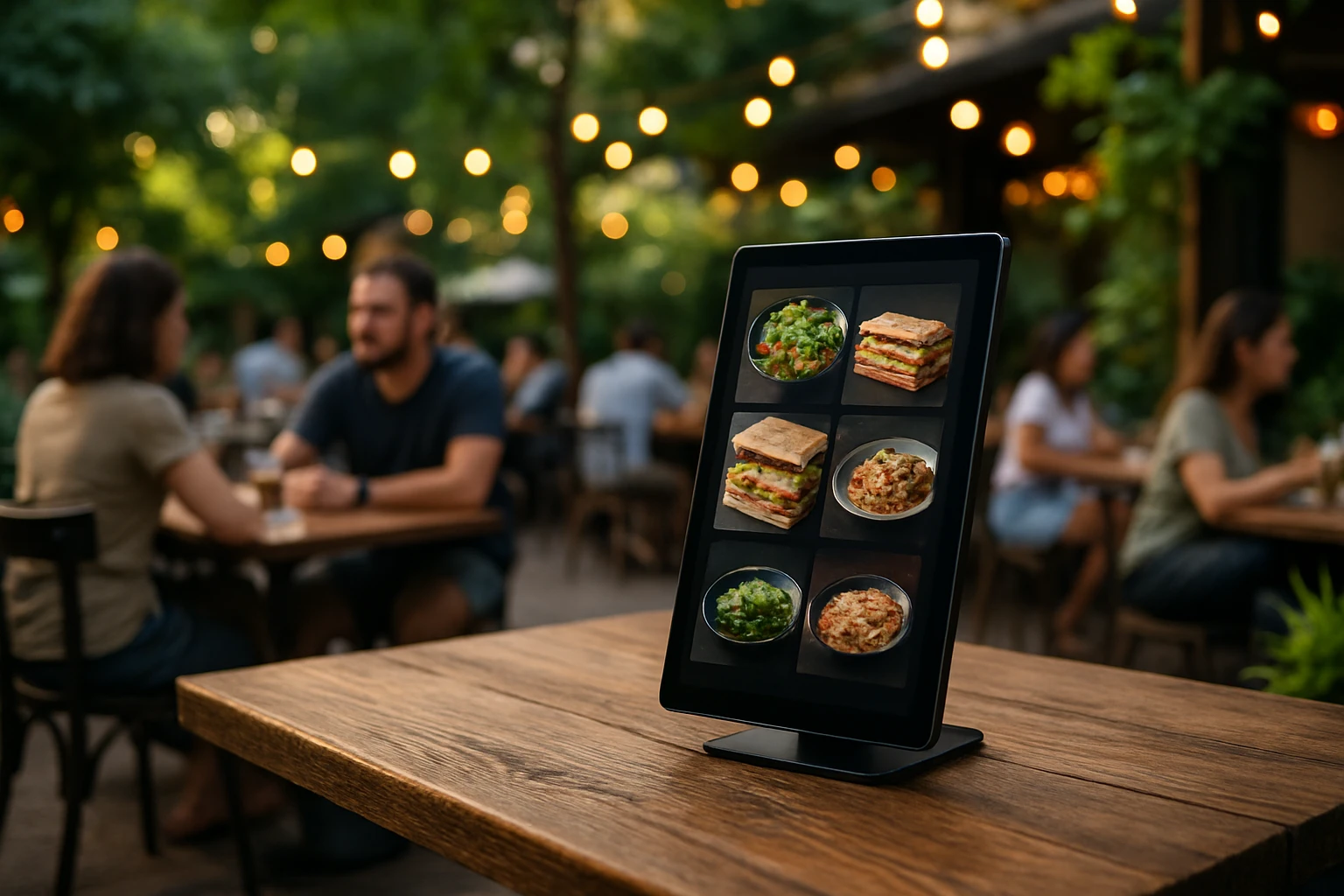
A sleek, digital menu display mounted on a rustic wooden table at a bustling outdoor café, surrounded by lush greenery and patrons enjoying their meals under string lights.
3Advantages of Digital Menus for Customer Engagement
As the dining industry evolves, restaurants are recognizing the pivotal role technology plays in enhancing customer engagement. A prime example is the adoption of digital menus. By simplifying the ordering process and offering personalized experiences, digital menus have become a cornerstone for modern restaurants aiming to improve customer interaction.
Enhanced Interactivity and Personalization
Digital menus allow for a level of interactivity unimaginable with traditional paper menus. Through features like customizable options and dietary filtering, customers can personalize their dining experience. For instance, users may select a vegan filter to view applicable dishes instantly, catering directly to personal preferences and dietary needs. This interactive approach not only elevates user satisfaction but also aids in fostering customer loyalty.
Real-Time Updates and Special Offers
With a digital menu for restaurants, updates can be made instantaneously. This means that managers can swiftly adjust pricing, introduce seasonal specials, or mark items as out-of-stock without reprinting costly paper menus. Leveraging this technology, restaurants can efficiently manage inventory and drive sales for specific dishes. Platforms like Menyo.pro simplify this process, enabling seamless updates and integration with other digital tools.
Increased Accessibility and Convenience
Another significant advantage is the heightened accessibility that digital menus offer. Patrons can access menus via QR codes or apps, which eliminates the need to wait for waiter service to view menu options. This convenience not only reduces wait times but also empowers diners to make informed decisions quickly. For more insights into how QR codes enhance accessibility, consider exploring the comprehensive guide on QR Menu Accessibility.
Moreover, real-world applications have demonstrated the effectiveness of digital menus in elevating the dining experience. According to a study by the National Restaurant Association, digital menus have been shown to increase order accuracy and reduce wait times, thereby enhancing overall customer satisfaction (source).
Incorporating a digital menu for restaurants not only aligns with modern technological trends but also presents tangible benefits that amplify customer engagement. As these tools become more ingrained in the dining experience, they pave the way for smarter, more efficient restaurant operations.
4Operational Efficiency and Sustainability Gains
Seamless integration of a digital menu for restaurants can significantly streamline operations while contributing to environmental sustainability. Real-time updates—whether for daily specials, price tweaks, or ingredients in stock—eliminate reprinting delays and cut associated costs substantially. One study highlights that subscription-based digital menu systems cost roughly $12.50 per month, yet can save independent venues upward of $3,800 annually by avoiding frequent print runs—resulting in ROI ranging from 2,000 to 2,500 percent before even accounting for revenue boosts
Beyond cost savings, digital menus enhance order accuracy and speed. A technical report found that QR‑enabled menus can reduce ordering errors by up to 30%, cut wait times by about 20%, and more than double the frequency of menu updates compared to print systems (tableQR blog). Furthermore, implementation of QR menus has been shown to boost table turnover by approximately 21%, while improving customer satisfaction scores to an average of 4.7 out of 5 (Digital Transformation in the Food Service Industry – Gitnux). These operational efficiencies empower staff to focus more on hospitality rather than repetitive tasks, improving overall service quality.
Environmental Benefits: A Greener Table
Embracing digital tools goes hand in hand with environmental stewardship. Across restaurant locations, adopting e‑menus can reduce paper waste by as much as 98%, equating to around 1,200 pounds of paper saved annually per location. This transformation supports sustainability goals that matter increasingly to both consumers and communities (ZipDo Education).
Moreover, sustainability overlaps with branding: 83% of diners are willing to pay more for meals from establishments that highlight eco‑friendly practices through digital reporting tools, and publicizing sustainability efforts via digital platforms can boost brand visibility by 45%, drawing an additional 37% of eco‑conscious patrons (ZipDo Education).
Case Example: A Faster, Leaner Ordering Flow
Consider a restaurant chain that launched a tailored mobile app featuring an integrated digital menu. They enabled dine‑in guests to place orders directly from their devices via QR or in‑app interactions. The results were compelling: table turnaround sped up by 29%, and takeaway order volumes rose 31%. By consolidating operations onto one managed platform, the restaurant gained control over branding, pricing, menu layout, and customer communication—without relying on third-party platforms (Elite mCommerce case study).
These metrics underscore how a digital menu for restaurants does more than modernize presentation—it sharpens the business engine. When digital menu platforms reduce costs, enhance accuracy, elevate table turnover, and build sustainability credentials, the benefits stack up quickly. Managers gain tools to adapt swiftly, staff enjoy smoother service flows, and patrons experience faster, more transparent dining—as a direct result of strategic implementation and optimization.
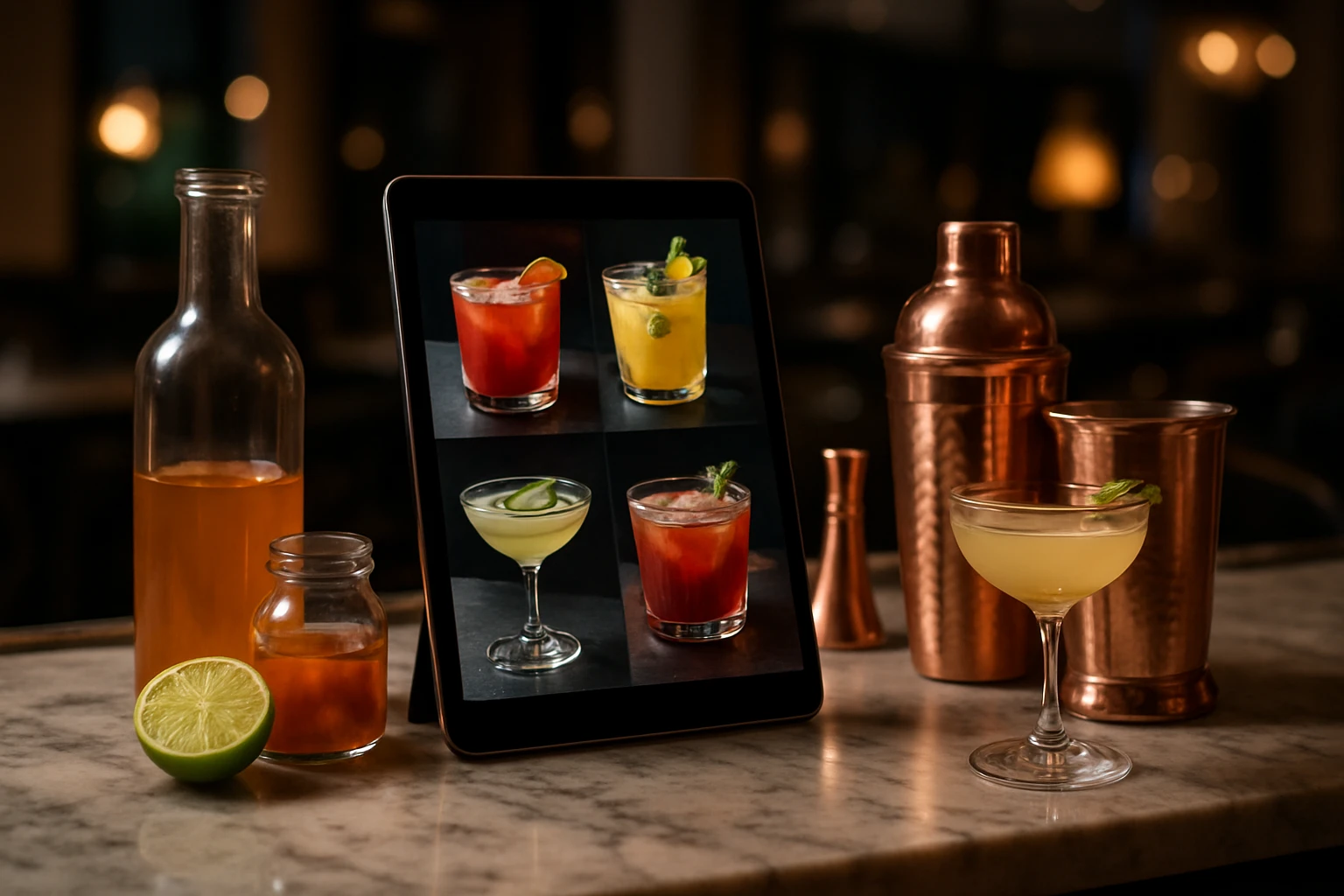
A tablet displaying a vibrant digital menu sits atop a marble bar counter, surrounded by artisanal cocktail ingredients and copper mixing tools, in a dimly lit, sophisticated indoor restaurant setting.
5Conclusion: Embracing the Future of Restaurant Menus
The adoption of a digital menu for restaurants is more than a trend; it represents an evolutionary step in enhancing customer experience and operational efficiency. As discussed, digital menus are revolutionizing how restaurants communicate with their patrons by offering dynamic content, easy updates, and personalized experiences.
One significant takeaway is the enhanced capability for restaurants to engage customers through multimedia features. By incorporating images, videos, and user-friendly interfaces, digital menus can transform the dining experience, making it more interactive and visually appealing. For example, a restaurant showcasing a video of a chef preparing a signature dish can create anticipation and enhance customer satisfaction.
Actionable insight for restaurateurs is to start small but think big. Begin by digitizing your most popular dishes and gradually expand to a full menu. Ensure the interface is intuitive and aesthetically pleasing to encourage more interactions. This step-by-step approach will help manage transition costs and allow staff and customers to acclimate to the new system smoothly.
Consider the impact of data analytics that digital menus can offer. Restaurants can track which dishes are popular, adjust prices dynamically based on demand, and even implement loyalty programs or special promotions effectively. These insights can significantly inform business decisions and strategies, fostering growth and customer loyalty.
To seamlessly implement these strategies and achieve operational excellence, platforms like Menyo.pro offer comprehensive support. Menyo.pro assists restaurants in making the transition by providing an array of customizable and easy-to-use solutions tailored to fit unique business needs.
In conclusion, the shift to digital menus is a smart investment for any restaurant looking to stay competitive in the modern dining landscape. Embrace the change, harness technology to elevate customer experiences, and boost your restaurant's efficiency. Engaging with the right technology partner will ensure a smooth transition and set the stage for long-term success.