
How to Create an Effective Digital Restaurant Menu
Discover the step-by-step process to craft a professional digital restaurant menu with Menyo.pro. This guide covers design tips, technology integration, and best practices to elevate your dining experience and streamline operations.
Menyo Team
February 15, 2026
1The Digital Transformation of Restaurant Menus
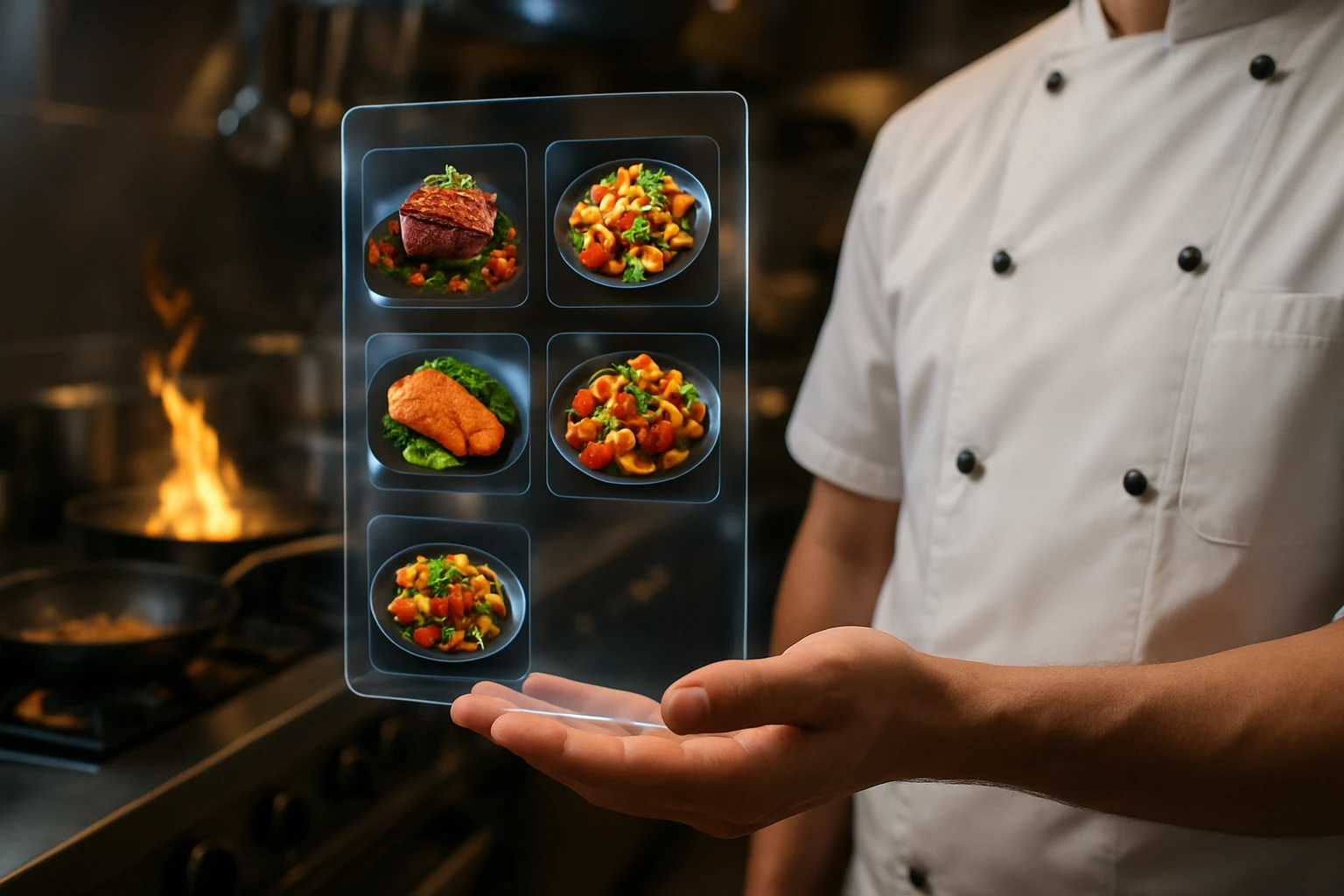
In the evolving landscape of the culinary world, technology plays an indispensable role. At the forefront of this digital revolution is the digital restaurant menu, a tool that has redefined how diners interact with restaurants. As the dining experience transcends traditional paper menus, the integration of digital menus offers a dynamic and interactive way for customers to explore offerings. This shift not only enhances the customer experience but also enables restaurants to adapt swiftly to changing consumer preferences.
Transforming Dining Experiences
Digital menus are becoming an integral part of the modern restaurant scene. According to a study by the National Restaurant Association, nearly 60% of consumers are more likely to view a digital menu rather than a printed one if given the option. Since digital menus are easily accessible through smartphones and tablets, they provide an interactive platform to showcase high-quality images, detailed descriptions, and ingredient information, appealing to tech-savvy customers. This level of detail helps diners make informed choices, leading to increased satisfaction and better engagement.
Real-World Applications
Restaurants that embrace digital menus are witnessing significant benefits. For example, a chain restaurant in New York saw a 20% increase in sales after switching to a digital menu format. By enhancing menu visibility and simplifying updates, digital menus empower managers to introduce seasonal dishes and adjust prices in real-time, maintaining relevance and competitiveness. This strategic flexibility is vital in today’s fast-paced environment and ensures that restaurants can cater to new culinary trends efficiently.
Integrating Technology for Success
The successful implementation of a digital restaurant menu goes beyond just presenting food options. It involves integrating technologies such as QR codes for easy access and customization. Utilizing QR codes not only enhances convenience but also reduces physical contact, a crucial factor during the pandemic era. For those interested in optimizing their menu accessibility through QR codes, exploring best practices in implementation can be highly beneficial. For a comprehensive guide on leveraging QR codes, the QR Codes Best Practices blog provides valuable insights.
As restaurants continue to evolve, leveraging the power of digital menus can result in a transformative dining experience that meets the expectations of modern consumers. By enhancing convenience and engagement, digital menus are more than just a trend—they're a pivotal component in the future of dining. With technology at their fingertips, diners can enjoy a personalized culinary journey, making digital menus a cornerstone of contemporary restaurant operations.
2The Versatility and Benefits of Digital Menus
One of the significant advantages of using a digital restaurant menu is the ability to adapt and update dishes in real-time, which enhances operational efficiency. Restaurants no longer need to reprint physical menus; instead, they can easily update digital versions to reflect seasonal changes, ingredient availability, or new promotions. This flexibility not only ensures that diners have access to the latest selections but also greatly reduces waste and associated printing costs.
Enhancing Customer Engagement
Digital menus can also play a crucial role in engaging customers by offering interactive features that traditional menus simply cannot provide. For instance, some digital menus include high-quality images, nutritional information, and even customer reviews that can help diners make more informed choices. Restaurants can utilize these features to create a more personalized dining experience, allowing guests to filter items based on dietary preferences or discover chef recommendations. By leveraging such features, restaurants can differentiate themselves in a competitive market.
Improving Accessibility and Convenience
Accessibility is another area where digital menus shine. By integrating QR codes, restaurants empower guests to view menus directly on their smartphones. This approach not only caters to tech-savvy diners but also promotes social distancing—an important factor in the post-pandemic world. Moreover, digital menus can be translated into multiple languages, thereby eliminating language barriers and broadening a restaurant’s appeal to international customers. Comprehensive accessibility insights can be explored further in our QR Menu Accessibility guide.
Data-Driven Insights
The use of digital restaurant menus also allows for the collection and analysis of valuable data. Restaurants can track popular dishes, peak ordering times, and customer preferences. This data can be leveraged to optimize menu offerings and enhance customer experience. According to Restaurant.org, 49% of restaurateurs say technology increases sales through higher check averages, showing how digital insights directly contribute to business growth.
By embracing these innovative functionalities, restaurants can boost guest satisfaction and streamline operations, reinforcing the role of digital menus as a transformative tool in the dining industry.
3The Benefits of Digital Restaurant Menus for Customer Experience
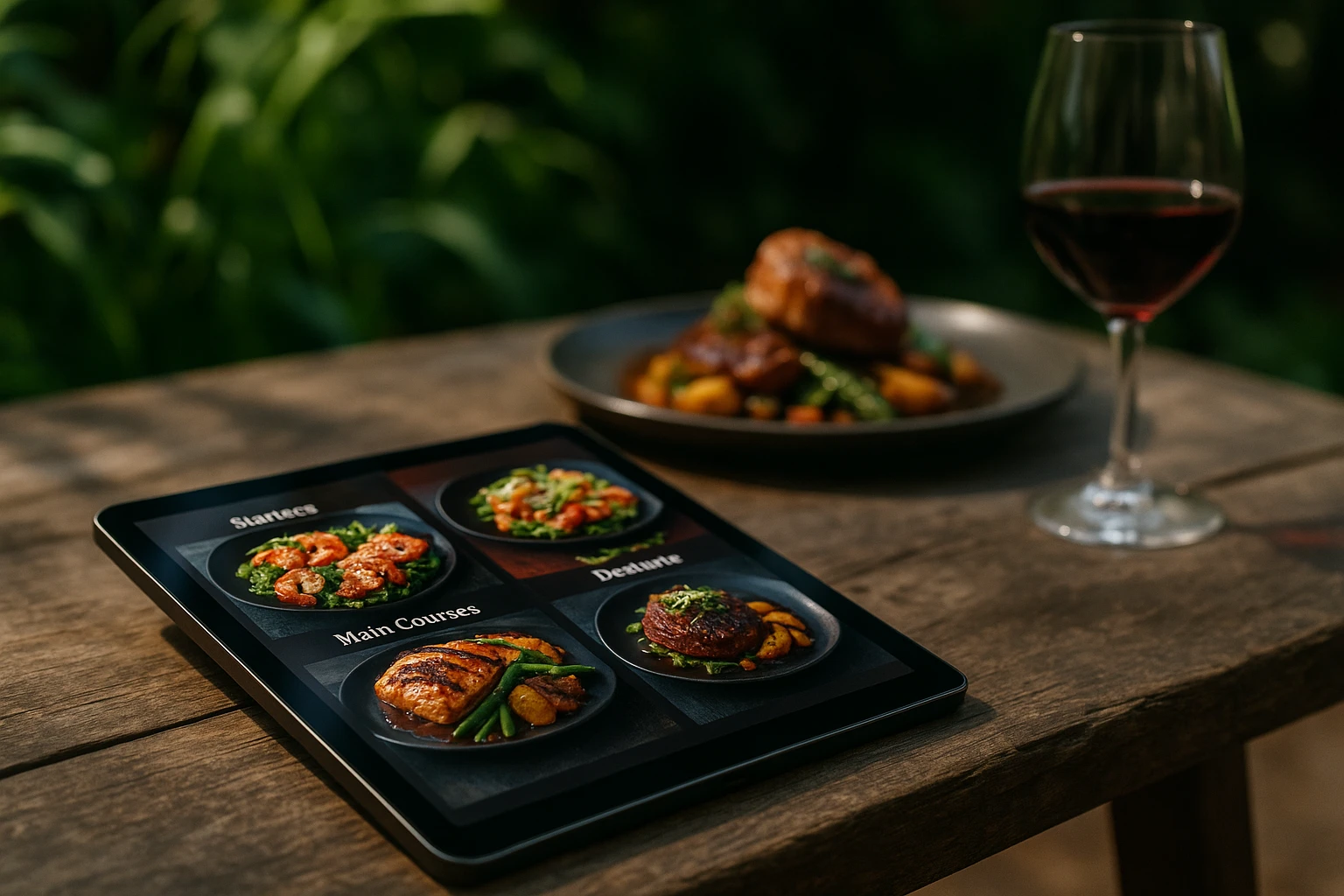
Adopting digital restaurant menus offers numerous advantages that significantly enhance customer experience. One of the primary benefits is the ability to instantly update the menu. This flexibility allows restaurants to make real-time changes in response to ingredient availability, seasonal specials, or customer feedback, ensuring diners always have access to the most accurate offerings. Additionally, digital menus can enrich the dining experience with vibrant images and detailed descriptions of dishes, enticing customers and helping them make informed decisions.
Interactive features are another compelling aspect of digital menus. Customers can filter options based on dietary preferences or allergens, browse suggested pairings, and explore nutritional information with ease. According to a study by Restaurant Business Online, businesses that implemented interactive menus observed a 20% increase in customer satisfaction due to the tailored experience these features offer.
Moreover, technology integration can significantly enhance a restaurant's efficiency. Digital menus, often paired with QR codes, reduce wait times by enabling customers to place orders directly through their smart devices. This not only speeds up service but also lowers the risk of order inaccuracies commonly found in traditional ordering systems. Platforms like Menyo.pro offer seamless solutions for integrating these digital features, helping restaurants streamline their operations while boosting customer engagement.
These menus also facilitate strategic upselling with carefully curated suggestions that increase average spend per customer. For instance, during the ordering process, a digital menu might suggest a wine option that pairs well with the entrée selected, encouraging diners to consider additional purchases. As highlighted in the Menu Engineering AI, leveraging data analytics can further refine these suggestions, enhancing profitability through personalized marketing strategies.
Overall, the shift to digital restaurant menus is driven by the need to modernize the dining experience while optimizing restaurant operations. As more establishments recognize these benefits, digital menus are becoming an essential tool in the competitive landscape of the hospitality industry. Embracing this technology not only meets evolving customer demands but also supports sustainable business growth in a rapidly changing market.
4Operational Advantages and Real-World Impact
Transitioning from theory to practice, the real-world implications of implementing a digital restaurant menu become strikingly clear when viewed through documented successes. For example, a Greek pizzeria eliminated over $3,800 annually in printing costs by adopting a responsive digital menu delivered via QR codes. The system delivered near-instant updates, multilingual support, and a 30% reduction in order errors—all while dramatically improving hygiene and reducing reprinting waste The Aurelia Edge case study.
Similarly, J&W Seafood elevated customer engagement through vibrant, cloud-managed digital menu boards. The solution enabled dynamic pricing options—such as happy-hour specials—_without relying on physical reprints_, saving time and reducing operational friction. Visual displays enhanced upselling opportunities, and the faster adaptability to inventory levels helped maintain service efficiency Pickcel case study.
Savings, Efficiency, and Sustainability
Industry analysis further supports these benefits. Digital menu boards can cut long-term operational costs significantly: restaurants often recover hardware investments in under 18 months and enjoy enhanced revenue through dynamic offers and upselling, sometimes boosting average order values by up to 30% Wikipedia on digital outdoor menu boards. Detailed cost comparisons show that digital systems reduce printing expenses, labor for menu updates, and promotional material costs, while promoting timely item availability and waste reduction—even improving revenue by 2–5% Escreen analysis.
Operationally, digital menus streamline service by integrating options such as real-time inventory synchronization, order accuracy improvements, and self-service capabilities that free up staff to attend to personalized service rather than repetitive tasks CrownTV blog. They reduce wait times and boost table turnover, while enhancing brand image and demonstrating sustainability—thanks to lower paper waste and more energy-efficient digital signage CrownTV blog.
Considerations for Implementation
Despite these advantages, some operator caution is warranted. Execution missteps—such as poor screen placement, use of consumer-grade TVs, inadequate mounting, or lack of standardization across locations—can lead to failures within the first year of deployment. Opting for commercial-grade displays and standardized installation practices mitigates these risks and increases long-term reliability practitioner insights.
In essence, thoughtfully implemented digital menu systems deliver tangible cost savings, elevated customer engagement, and stronger operational agility—provided technical and installation standards are upheld. This sets the stage for optimizing not just the menu display but overall guest experience and profitability.
5Conclusion: Embracing the Digital Menu Revolution
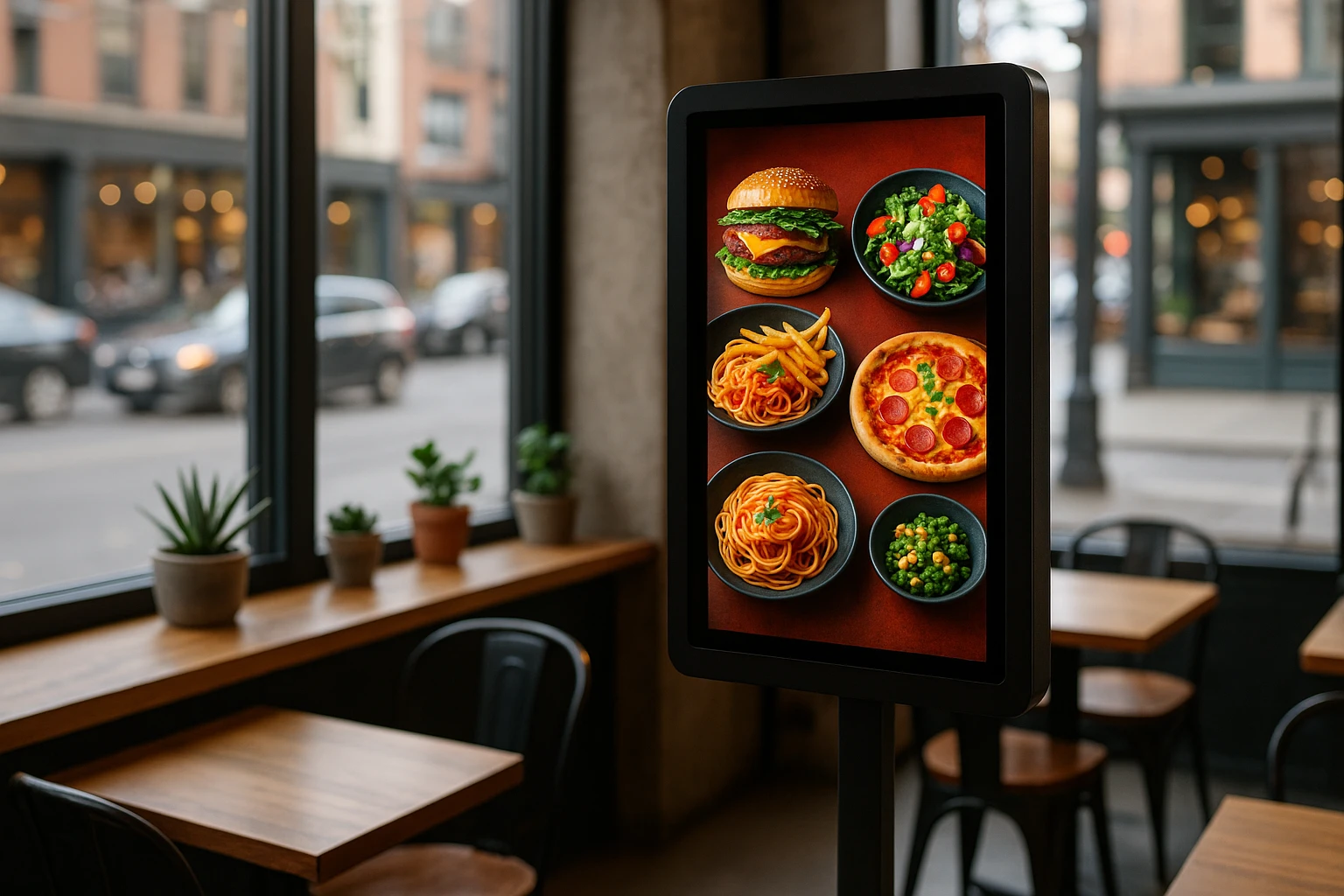
The digital restaurant menu has transformed the dining experience, introducing efficiency, engagement, and accessibility. Restaurants that integrate digital solutions are not only meeting customer expectations but are also gaining a competitive edge. By adopting mobile-friendly formats and interactive displays, eateries can cater to tech-savvy diners looking for convenience and customization.
Key Takeaways
As you move forward in incorporating digital menus, consider these essential points: First, ensure that your menu is visually appealing and easy to navigate, which can significantly enhance customer satisfaction. Additionally, maintaining updated content is crucial to keeping your offerings fresh and relevant. Finally, leveraging analytics from digital menus can provide invaluable insights into customer preferences and behavior.
Actionable Insights
- Test different layouts and interactive elements to see what resonates best with your audience. A/B testing can be particularly helpful in this regard.
- Train your staff to utilize the data and insights gained from digital menus to improve service and tailor offerings.
- Engage customers with limited-time offers and seasonal updates, which can be easily implemented on digital platforms.
Next Steps
If you're considering implementing these strategies, Menyo.pro offers comprehensive resources to guide you through the process. With solutions tailored to meet various needs, they can support you in optimizing your digital menu experience and harnessing its full potential.
The restaurant industry is rapidly evolving, and digital menus are becoming a core component of modern dining. By adopting these technologies, you position your establishment at the forefront of innovation, ready to attract and retain customers in an increasingly digital world.
Article Generated by Soogle
Ready to digitize your menu?
Create a beautiful QR menu from a photo in minutes—the AI scan takes about 60 seconds. AI extracts items and prices automatically.
Try Menyo Free