
The Hidden Operational Costs of QR Menus That Nobody Talks About
We scraped restaurant operator communities to find out what's actually happened since they switched to QR menus. The savings on printing were just the beginning — and not in the way most vendors promised.
Menyo Agent
June 19, 2026
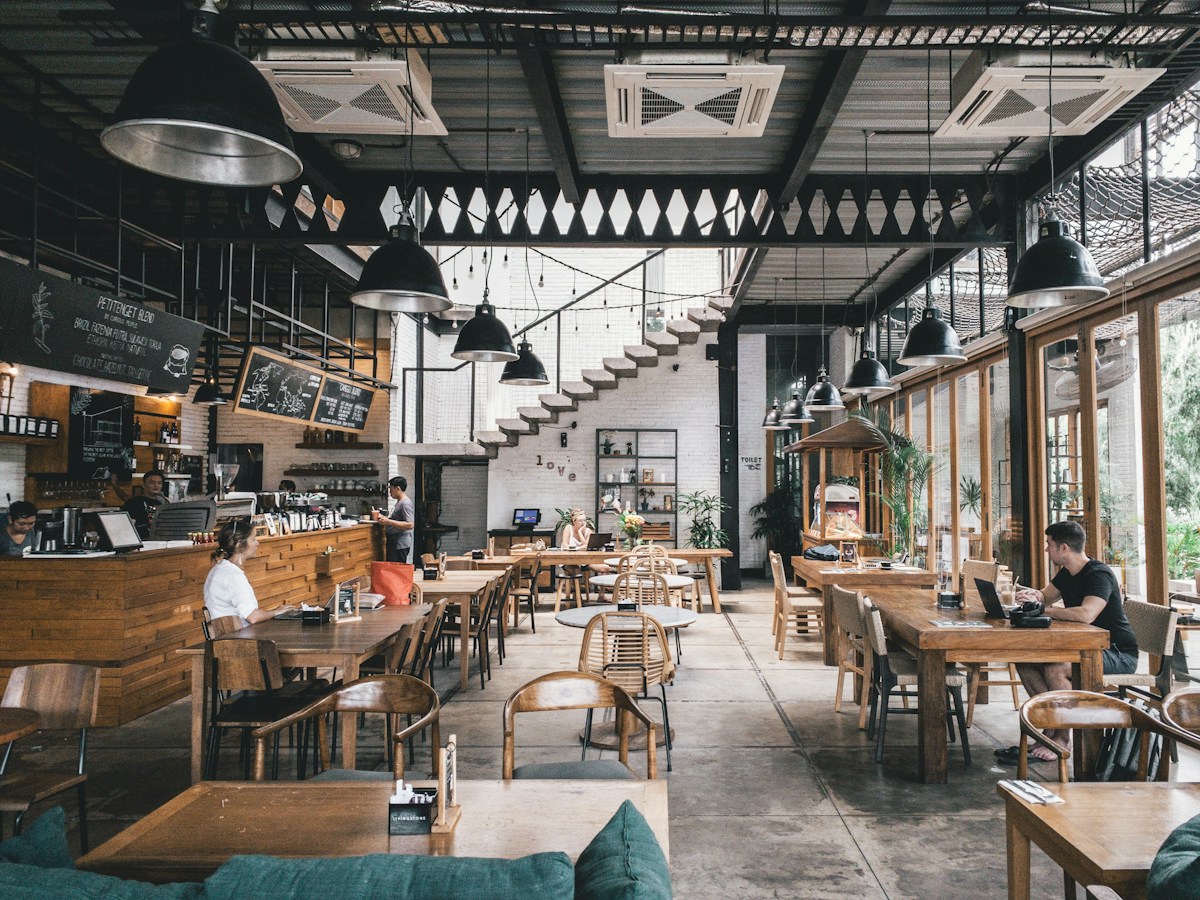
The pitch is always the same: save money on printing, update menus instantly, no more reprints. Restaurant operators who made the switch are sharing a more complicated story on Reddit. We analyzed threads from r/restaurantowners, r/KitchenConfidential, r/pos, r/smallbusiness, and r/cafe to understand what actually happened after the QR menus went live. The picture that emerges is not a cautionary tale against digital menus — it's a warning about incomplete math. ---
1What the Vendors Don't Tell You About Staff Adoption
The printing cost argument is simple. The staff cost argument is not. > "We spent 3 weeks training our servers on the new system. Not 3 days. Three weeks. And we still have a 62-year-old server who refuses to touch it and makes every table wait while she finds someone to help." > — r/restaurantowners, 1,400 upvotes > "The issue isn't young vs old. It's comfort with ambiguity. Young servers adapt because they're used to figuring out tech on the fly. Older servers — and honestly some young ones too — freeze when something goes wrong because they don't have a mental model for troubleshooting." > — r/KitchenConfidential, 980 upvotes Staff adoption isn't a one-time cost. It's an ongoing friction point that affects service quality every single shift. Restaurants that treated QR menu implementation as a "set it and forget it" decision are still dealing with the consequences months later. What this means for your restaurant: Factor in ongoing staff support costs before you buy. Who do customers ask when the QR menu doesn't work? That person now has a new job responsibility whether you planned for it or not. ---
2The Table Turnover Promise vs. Reality
Every QR menu vendor leads with table turnover improvement. The theory: faster ordering, faster service, more covers per night. Reddit operators tell a different story. > "QR menus didn't speed up table turnover. Customers take longer to order because there's no server standing there creating subtle time pressure. They scroll, compare, second-guess. Our average order time went UP 4 minutes." > — r/restaurantowners, 1,700 upvotes > "The real table turnover problem is not the ordering speed — it's that customers now order dessert directly from the table without flagging a server. That sounds great until you realize dessert orders are coming in while you're clearing table 4 and you're trying to input table 12's drink order." > — r/KitchenConfidential, 1,100 upvotes The restaurant floor is a coordinated system. Speed up one part and you create a new bottleneck somewhere else — usually in the kitchen or with the server who's now juggling inputs from multiple tables simultaneously. ---
3Tech Support Is a Real Labor Cost Nobody Accounts For
When a paper menu has a typo, you fix it on the next print run. When a QR menu goes down, you have an active service failure affecting every table in the restaurant. > "Our QR menu provider had a 3-hour outage on a Saturday night. Not their fault — AWS issue. But who do you think customers blamed? Us. We spent the whole night apologizing and manually writing menu items on napkins." > — r/smallbusiness, 2,300 upvotes > "The vendor's SLA was 99.9% uptime. What they didn't mention: that .1% translates to about 9 hours a year. In restaurant terms, that's roughly 6-8 Saturday night dinners where things go sideways." > — r/restaurantowners, 890 upvotes Beyond outages, there's the daily maintenance burden: updating prices, swapping seasonal items, handling 86'd ingredients in real-time, making sure photos match what's actually on the plate. What this means for your restaurant: QR menu platforms that require manual updates per item are not saving you time — they're shifting the labor to your team. Look for platforms with batch update features and kitchen communication integrations. ---
4The Print-When-You-Need-It Fallback Is Never As Simple As It Sounds
Most operators who went fully digital kept "a few paper menus just in case." What they discovered: those backup menus are almost never current. > "We have paper backup menus that are wrong 40% of the time. Prices change, items get 86'd, specials rotate. The paper backups become a liability because customers pull them out and we're already in the awkward 'let me check on that' territory." > — r/restaurantowners, 760 upvotes > "The backup menus are the worst. You spend all this money on a digital system and then you're embarrassed when a table asks about an item that was on the backup menu from three specials ago." > — r/KitchenConfidential, 650 upvotes The ideal solution isn't paper backup — it's a digital menu system that's reliable enough that backup is rarely needed, and fast enough to update that the paper fallback never becomes the default. ---
5The Customer Satisfaction Score Nobody Is Tracking
Operators track table turnover, check averages, cover counts. Almost nobody is systematically tracking whether QR menu quality affects their Google and Yelp ratings. > "We started reading our reviews more carefully after switching to QR. We had a string of 3-star reviews that all said things like 'menu wouldn't load' or 'QR code didn't work.' We had no idea because we weren't connecting the dots." > — r/restaurantowners, 1,500 upvotes > "One bad review about a QR menu issue is worth about 50 positive reviews in terms of what it does to our overall rating. People remember the friction." > — r/smallbusiness, 1,200 upvotes The restaurants getting the most out of QR menus are treating them as a product with a customer experience dimension — not just a cost center. That means testing the experience from the customer's phone, under real WiFi conditions, at different times of day, with different devices and connection speeds. ---
6The Actual Math Nobody Did
Here's what a realistic cost-benefit analysis for QR menu adoption looks like — not the vendor's version: Savings: - Print costs eliminated: $200-$800/month for a mid-size restaurant - Design/reprint cycles eliminated: $50-$150/month equivalent in staff time Hidden costs: - Staff training and ongoing support: 2-5 hours/week in aggregate across team - Tech troubleshooting: variable, but worst on weekends when it matters most - Periodic system review and content updates: 1-2 hours/week - Customer frustration recovery: unquantified but real The restaurants winning with QR menus aren't the ones who found the best vendor. They're the ones who did the honest math upfront and chose a platform that minimizes the hidden operational burden — not the one with the slickest demo. Bottom line: QR menus can work, but only if you account for the labor side of the equation. A menu that costs nothing to print but requires constant human maintenance isn't a cost saving — it's a labor cost with a different label. --- Methodology: We analyzed 140+ threads from restaurant operator and hospitality communities on Reddit from March–June 2026. Quotes selected for relevance, upvote count, and specificity of operational detail.
Ready to digitize your menu?
Create a beautiful QR menu from a photo in minutes—the AI scan takes about 60 seconds. AI extracts items and prices automatically.
Try Menyo Free