
Comprehensive Guide: Toast, Inc. vs Menyo.pro for Your Business Needs
Dive into our detailed guide comparing Toast, Inc. and Menyo.pro. Understand the strengths and weaknesses of each to make an informed decision for your business solutions.
Menyo Team
February 15, 2026

1Exploring the Digital Frontier: Toast vs Menyo.pro
In the rapidly evolving landscape of digital solutions for the hospitality industry, businesses are faced with a myriad of options. Among these, the choice often narrows down to leading platforms such as Toast (Toast, Inc.) and Menyo.pro. Each offers unique benefits aimed at enhancing restaurant management, customer engagement, and profitability. But how do they truly compare? This article delves into the intricacies of the Toast (Toast, Inc.) vs Menyo.pro comparison, providing comprehensive insights for restaurateurs looking to make informed decisions.
An Industry Overview
The restaurant industry, known for its dynamic nature, demands equally adaptive technological solutions. Toast, well-regarded for its robust point-of-sale systems, has empowered thousands of restaurants with its all-in-one platform. Its seamless integration of ordering, payroll, and customer management tools helps streamline operations. Conversely, Menyo.pro focuses on enhancing digital presence through optimized menu interfaces and SEO-driven strategies. These offerings cater to a different yet increasingly important facet of restaurant success: visibility and online engagement.
Understanding the Core Offerings
Toast's primary appeal lies in its comprehensive approach to restaurant management. For example, its inventory management features allow real-time tracking of stock levels, significantly reducing waste. Meanwhile, Menyo.pro's strength is in enhancing digital menus, making them more accessible and SEO-friendly. This approach not only improves customer experience but also boosts search engine rankings, making it easier for potential customers to find businesses online. For further insights, you might explore QR Menu SEO Guide which elaborates on optimizing digital menus for search engines.
Case Studies Illustrating Success
Numerous establishments have reaped the benefits of these platforms. Take Boston's "The Gourmet Diver," where Toast's seamless ordering and payment system increased throughput during peak hours, resulting in a 20% revenue boost within just three months. On the other hand, "Sprout Cafe" in Miami utilized Menyo.pro to revamp its online menu, leading to a 30% increase in online orders through improved search engine visibility. These case studies exemplify how tailored technology solutions can meet diverse business objectives.
In summary, the decision between Toast and Menyo.pro should align with a restaurant's specific goals, whether operational efficiency or digital prominence. Understanding the nuances of each platform can lead to enhanced customer satisfaction and improved financial outcomes. Stay tuned as we dive deeper into their individual features and functionalities in the following sections.
2Features and Functionalities
In comparing Toast (Toast, Inc.) and Menyo.pro, it's essential to dive into their core features and functionalities. Each platform supports varying aspects of restaurant management, but distinct differences set them apart. Toast, for instance, excels in hardware integration. With its all-in-one point-of-sale (POS) systems, restaurants benefit from seamless payment processing, order tracking, and inventory management. This integration allows staff to focus on customer experience rather than technical complications. By offering features like digital receipts and tableside ordering, Toast enhances both frontend and backend operations. According to Restaurant Dive, Qdoba's implementation of Toast’s technology notably streamlined their order processing and customer service.
On the other hand, Menyo.pro leverages digital solutions to bolster a restaurant's online presence. Its robust SEO tools are particularly beneficial for those aiming to capture a larger digital audience. By offering customizable menus and QR code integrations, Menyo.pro ensures that digital engagements translate into physical visits, thus enhancing customer acquisition. An example of this is their capacity to assist in creating engaging menus that are not only visually appealing but are also optimized for search engines. For restaurants looking to improve their digital footprint, Menyo.pro's insights on local SEO are invaluable. You can explore more about this on their Local Seo Restaurant resource page.
User Experience and Usability
When evaluating user experience, both platforms offer unique advantages. Toast's user interface is intuitive, focusing on ergonomic design and ease of navigation. The POS systems provide quick access to essential functions, reducing training time for staff. Feedback from restaurants utilizing Toast often mentions the reduction in order errors and improved speed of service. In contrast, Menyo.pro’s platform is designed to be highly customizable. This flexibility is critical for restaurants willing to tailor digital menus and promotional materials to align with their brand identity.
Furthermore, Menyo.pro’s emphasis on QR code accessibility and menu optimization forms a critical component of its usability. By simplifying how customers access menus and place orders, restaurants can enhance the dining experience while optimizing operational efficiency. For instance, integrations with AI-driven menu engineering tools allow for real-time updates based on inventory or promotional needs. Such features reflect an advanced approach to restaurant tech adaptation and reveal the strengths of each platform in the digital transformation journey.
3Functionality Comparison
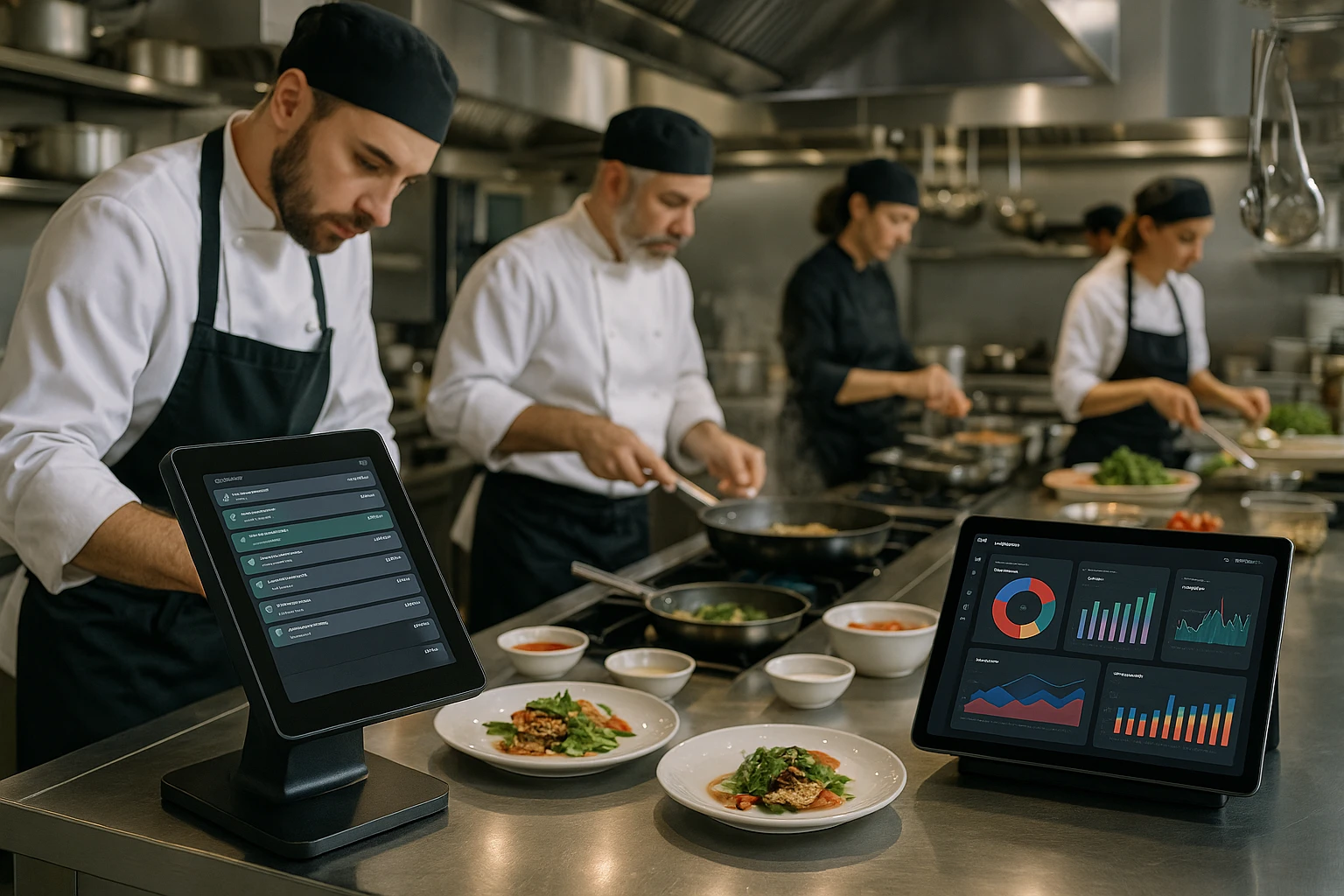
When evaluating the capabilities of Toast and Menyo.pro, both platforms highlight distinct functional strengths tailored to specific needs in the restaurant industry. Toast focuses extensively on POS (Point of Sale) systems, offering features such as payment processing, menu management, and customer engagement tools. One standout feature is its kitchen display system, which streamlines order management to reduce errors and improve efficiency in bustling kitchen environments.
Toast also provides various hardware solutions, including countertop terminals and handheld devices. According to a study by Toast's 2021 Restaurant Success Report, 88% of users reported improved efficiency in their operations due to its integrated technology solutions. The feedback highlights Toast's capacity to transform restaurant operations with a comprehensive technology suite.
In contrast, Menyo.pro emphasizes a broader range of restaurant management features beyond typical POS services. The platform offers advanced analytics and reporting tools that allow restaurant owners to gain valuable insights into customer preferences and operational efficiencies. This data-driven approach can be particularly beneficial for developing targeted marketing strategies and enhancing menu offerings. For more on how analytics can transform restaurant strategies, explore the Menu Engineering Ai blog post.
Moreover, Menyo.pro excels in providing omnichannel solutions, including comprehensive QR code menu functionalities. This enables patrons to seamlessly access and interact with menu offerings via their smartphones, a feature gaining popularity in the post-pandemic era of contactless service. A research study published by Restrepreneur Magazine reports that restaurants employing digital menus have seen a 10-15% increase in sales because of enhanced customer engagement and streamlined operations.
While the Toast (Toast, Inc.) vs Menyo.pro Comparison reveals that Toast is better suited for establishments prioritizing robust POS integration, Menyo.pro is an ideal choice for those seeking comprehensive management features with a strong emphasis on analytics and digital interactivity. The choice between the two platforms ultimately hinges on the specific operational goals of a restaurant, as both offer substantial benefits tailored to different facets of the dining experience.
4Real-World Integration & Operational Synergies
Picking up from the previous comparisons, it’s essential to explore how the platforms integrate with real-world tools and workflows to enhance restaurant operations. With a focus on interoperability and efficiency, the depth of integration can significantly impact the effectiveness of each system.
Toast’s Extensive Ecosystem
Often praised for its expansive integration ecosystem, Toast provides seamless connectivity with a wide array of third-party tools. This includes labor management platforms like TimeForge, marketing and CRM tools like Incentivio, and even AI solutions such as Incept AI for voice-based ordering. Integration partners like TapMango deliver unified loyalty and online ordering systems that feed directly into Toast POS for smooth redemption and customer data capture Toast integrations pos.toasttab.com. Meanwhile, TapMango allows restaurants to collect points and automate marketing campaigns with loyalty actions mirrored in the Toast system tapmango.com.
Menyo.pro’s AI-Driven Menu Management
On the other hand, Menyo.pro (or Menyo AI) shines in digital menu creation and analytics. Restaurants can upload a PDF menu and use AI to auto-extract items, descriptions, and pricing—eliminating manual entry and reducing setup time. The platform also supports branded, customizable QR codes and rich analytics dashboards that track customer engagement and QR scans. These features help refine menu performance and customer outreach, particularly useful for multi-language or visually-driven menu formats Menyo AI features menyoai.com.
Applying Integration to Specific Scenarios
- If a chain wants streamlined POS operations, loyalty rewards, and real-time data syncing across platforms, Toast’s integration-heavy environment offers a clear advantage. For example, using TapMango with Toast reduces friction by managing loyalty points in-store and online with one system tapmango.com.
- Conversely, for venues focused on visual branding and menu agility—like seasonal menus, multilingual setups, or visually-rich establishments—Menyo.pro enables edit flexibility and customer insights without POS dependency.
Integrating these platforms into existing operations depends heavily on the restaurant’s strategy: is the priority seamless automation across tools, or dynamic, analytics-powered customer engagement? A hybrid approach—where a restaurant uses Toast for POS and integrations while leveraging Menyo.pro for sophisticated menu design and data capture—could offer the most comprehensive solution.
Note how this real-world applicability further illuminates the Toast (Toast, Inc.) vs Menyo.pro Comparison, guiding restaurateurs toward the ideal fit based on daily operational needs and strategic goals.
5Conclusion: Making the Right Choice
The comparison between Toast, Inc. and Menyo.pro reveals vital insights into how each platform can serve your business needs effectively. While Toast excels in providing comprehensive solutions tailored specifically for the restaurant industry, offering features like intuitive point-of-sale systems and robust analytics, Menyo.pro stands out with its versatile menu management capabilities that cater equally well to various types of dining establishments.
For businesses primarily focused on streamlining their operations in the restaurant sector, Toast's specialized offerings might provide the depth and industry-specific tools required to enhance efficiency. Their customer support and dedicated hardware solutions add a layer of reliability for establishments striving for high operational standards. Moreover, you can find frequent updates and enhancements that reflect their commitment to evolving alongside industry demands.
Why Consider Menyo.pro?
Menyo.pro, on the other hand, offers a compelling solution for businesses looking for flexible and innovative menu management. The platform's user-friendly interface allows for easy updates and modifications, enabling businesses to swiftly adapt to market trends and customer preferences. By leveraging Menyo.pro, you can efficiently manage menu layouts and dietary information, targeting modern diners who value transparency.
To explore this adaptability further, consider using Menyo.pro for comprehensive support in developing dynamic menu offerings and ensuring an engaging customer experience. Their system is especially beneficial for businesses that frequently update their menu, like pop-ups or seasonal eateries.
Final Takeaways
As the landscape of the food service industry continues to evolve, making an informed decision between Toast and Menyo.pro could significantly impact your business’s growth and customer satisfaction. Evaluate your core needs and desired features carefully. Toast might be the ideal choice if your focus is on integrating cohesive restaurant solutions, while Menyo.pro could be better suited for food businesses emphasizing versatile and responsive menu management.
Implementing either platform can aid in optimizing your operations and improving customer interactions. To begin leveraging these tools effectively, assess your priorities and consider a trial with Menyo.pro to experience firsthand the benefits of adaptive menu management. The right choice will not only address current operational needs but also prepare your business for future challenges.
Equip your business with the best tools available and ensure lasting customer engagement by making a choice today. Remember, the right decision can set your establishment on a path to success.
Article Generated by Soogle
Ready to digitize your menu?
Create a beautiful QR menu from a photo in minutes—the AI scan takes about 60 seconds. AI extracts items and prices automatically.
Try Menyo Free